An ironing press leaks water primarily due to issues like overfilling the water tank, incorrect temperature settings, or limescale buildup. This common problem occurs when water escapes before fully vaporizing or from unintended areas, often treatable with simple adjustments and regular maintenance. Addressing these causes can prevent damage to garments and extend the appliance’s lifespan.
Understanding Why Your Ironing Press Might Be Leaking
An ironing press, much like a steam iron, operates by heating water to produce steam, which then escapes through small vents or holes in the soleplate to help relax fabric fibers and remove wrinkles. When an ironing press leaks water, it signifies that water is escaping before it has adequately vaporized, or from areas other than the designated steam outlets. This can manifest as clear water dripping, or even dirty, brown liquid, indicating a deeper internal issue. Understanding the underlying mechanics helps in diagnosing and resolving the problem effectively.
Common Culprits: Why Your Ironing Press Is Leaking Water
Several factors can cause your ironing press to leak water, ranging from simple user errors to more complex internal malfunctions. Pinpointing the exact cause is the first step toward a successful repair.
Overfilling the Water Tank
One of the most frequent reasons for leaks is simply filling the water tank beyond its maximum capacity. When the reservoir is too full, excess water has nowhere to go but out, often through the fill opening or other crevices, even before the press begins to heat.
Incorrect Temperature Setting
If the ironing press’s soleplate isn’t hot enough, the water in the reservoir won’t fully convert into steam. Instead, it remains in a liquid state and may drip out of the steam vents or around the soleplate. This is especially common when using steam functions on lower temperature settings designed for delicate fabrics.
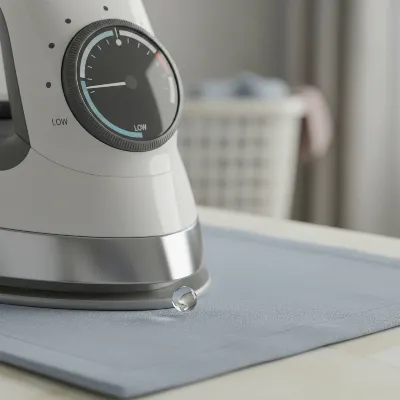 Ironing press with temperature dial set too low, causing water to drip from soleplate
Limescale and Mineral Buildup
Mineral deposits, primarily limescale from hard tap water, are a notorious enemy of steam appliances. Over time, these minerals accumulate inside the ironing press, clogging the steam vents and internal water pathways. This blockage prevents steam from escaping properly, causing water to back up and leak, often appearing as brown or dirty water due to the dislodged mineral particles.
Using the Wrong Type of Water
While some ironing press manufacturers state that tap water is acceptable, using hard tap water, especially in areas with high mineral content, can significantly accelerate limescale buildup. Using distilled or demineralized water is often recommended to prevent this issue and extend the life of your appliance. Always consult your specific model’s user manual for water type recommendations.
Blocked Steam Vents or Soleplate
Beyond limescale, small fabric fibers, dust, or lint can also accumulate and block the tiny steam holes on the soleplate. When these vents are obstructed, steam cannot escape freely, leading to water pooling around the soleplate and eventually leaking.
Damaged Seals or Water Tank
With frequent use, the internal seals, gaskets, or even the water tank itself can experience wear and tear. Cracks in the water tank or deteriorated rubber seals can create openings through which water can escape, leading to persistent leaks that are often difficult to fix without component replacement.
Insufficient Preheating Time
An ironing press requires a certain amount of time to reach its optimal operating temperature. If you activate the steam function too quickly, before the soleplate is adequately hot, the water will not vaporize efficiently and will leak out in liquid form. Always wait for the indicator light to signal that the press is ready.
Internal Component Malfunctions
Less common, but more serious, internal issues such as a faulty thermostat, heating element, or solenoid valve can also cause leaks. A defective thermostat might lead to inconsistent heating, while a malfunctioning solenoid valve (in some steam generator models) can improperly control water flow, causing continuous dripping. These issues typically require professional attention.
Quick Fixes for a Leaking Ironing Press: Step-by-Step Solutions
Before considering professional repairs, try these quick fixes to resolve common leaking problems with your ironing press.
1. Check Water Level and Lid
Ensure that you have not overfilled the water tank. Always fill only up to the “MAX” line indicated on the reservoir. Also, verify that the water refill lid is securely closed; a loose lid can cause water to spill during operation.
2. Adjust Temperature and Allow Preheating
Make sure your ironing press is set to a temperature suitable for steam production. For most fabrics requiring steam, this means a medium to high setting. Crucially, allow the press sufficient time to fully heat up before engaging the steam function. Wait for the ready indicator light to illuminate, which signals that the soleplate has reached the necessary temperature to convert water into steam efficiently.
3. Descale Your Ironing Press
Limescale buildup is a primary cause of leaks and brown stains. Regular descaling is essential.
- Vinegar Method: Mix equal parts distilled white vinegar and water. Fill the water tank with this solution (do not overfill). Turn on the ironing press to a high steam setting and let it heat up. Once hot, gently press the steam button or lever several times, allowing the vinegar solution to flush through the steam vents and internal channels. You can do this over a sink or a thick old towel. After emptying the tank, rinse it thoroughly by refilling it with clean water and running several steam cycles to ensure all vinegar residue is removed. For stubborn buildup, you may let the solution sit in a warm (but unplugged) press for 15-30 minutes before steaming.
- Commercial Descalers: Follow the specific instructions provided with your chosen commercial descaling product.
- Utilize Self-Clean Function: Many modern ironing presses come with a self-clean or “anti-calc” function. Refer to your user manual for instructions on how to activate this feature, which is designed to flush out mineral deposits.
4. Clean Clogged Steam Vents and Soleplate
If the steam vents on the soleplate appear clogged, carefully use a toothpick, a non-metallic brush, or a damp cotton swab dipped in a vinegar-water solution to clear any blockages. For the soleplate itself, wipe it gently with a soft, damp cloth. Never use abrasive materials or harsh chemicals that could damage the surface.
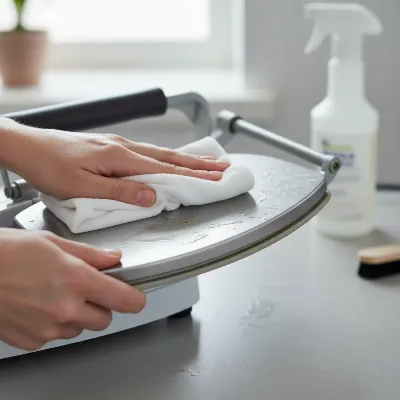 Person cleaning the soleplate of an ironing press with a damp cloth
5. Inspect for Visible Damage
Visually inspect the water tank for any cracks or hairline fractures. Also, check the surrounding seals and gaskets for signs of wear, tearing, or displacement. If you find significant damage, especially to the tank or critical seals, replacement parts or professional repair might be necessary.
6. Pause Between Steam Bursts
If your ironing press has a steam burst feature, avoid pressing it continuously or too rapidly. Allowing a slight pause between bursts gives the internal heating element time to properly vaporize the water, preventing excess liquid from accumulating and leaking.
Preventing Future Leaks: Best Practices for Your Ironing Press
Proactive maintenance can significantly reduce the likelihood of your ironing press leaking.
Use Distilled or Demineralized Water
Unless your manufacturer explicitly states otherwise, using distilled or demineralized water is the most effective way to prevent limescale buildup. This simple habit can drastically extend the lifespan and efficiency of your ironing press by eliminating the source of mineral deposits.
Regular Descaling
Even with distilled water, some residue can accumulate over time. Incorporate regular descaling into your cleaning routine, ideally once a month if you use the press frequently, or every few months for lighter use. This preventative measure keeps internal components clear and steam flowing freely.
Proper Filling and Storage
Always adhere to the “MAX” fill line when adding water to the tank. After each use, it’s a good practice to empty any remaining water from the reservoir to prevent stagnant water and potential mineral accumulation. Store your ironing press in an upright position in a cool, dry place to protect its components and seals.
Follow Manufacturer’s Guidelines
Your ironing press’s user manual contains specific instructions for care, maintenance, and troubleshooting unique to your model. Always refer to this guide for the most accurate and effective advice on preventing and fixing leaks.
When to Call a Professional
While many leaking issues can be resolved with DIY fixes, some problems warrant professional intervention. If your ironing press continues to leak after you’ve tried all troubleshooting steps, or if you suspect a serious internal component malfunction like a faulty heating element, thermostat, or electrical issue, it’s best to contact the manufacturer’s customer service or a qualified appliance repair technician. Attempting complex repairs without expertise can be dangerous and may void your warranty.
Conclusion: Keep Your Ironing Press in Top Condition
A leaking ironing press can be a nuisance, but by understanding the common causes and applying the right quick fixes, you can often restore your appliance to perfect working order. From simply adjusting the temperature to regular descaling and using the correct type of water, consistent care is key. Investing a little time in maintenance can save you frustration, protect your clothes, and extend the life of your valuable ironing press.
What are your go-to maintenance tips for keeping your ironing press in peak condition?
Frequently Asked Questions
Why is brown water leaking from my ironing press?
Brown water leaking from your ironing press is almost always a sign of significant limescale and mineral buildup inside the appliance. Over time, these minerals, especially from hard tap water, oxidize and mix with water, causing the discolored discharge. Descaling your ironing press thoroughly is the primary solution to this issue.
Can I use tap water in my ironing press?
Whether you can use tap water depends on your specific ironing press model and your local water hardness. Some manufacturers design their appliances to use tap water, while others strongly recommend distilled or demineralized water to prevent limescale buildup, especially in hard water areas. Always check your user manual for the manufacturer’s recommendation.
How often should I descale my ironing press?
The frequency of descaling depends on how often you use your ironing press and the hardness of your water. As a general guideline, if you use your press frequently and with tap water, descaling once a month is advisable. If you use it less often or exclusively with distilled water, descaling every two to three months should suffice to maintain optimal performance and prevent leaks.
Frequently Asked Questions
Why is brown water leaking from my ironing press?
Brown water leaking from your ironing press indicates significant limescale and mineral buildup inside the appliance. These minerals, often from hard tap water, oxidize over time and mix with water, causing the discolored discharge. Thoroughly descaling your ironing press is the primary solution to resolve this issue.
Can I use tap water in my ironing press?
Using tap water depends on your specific ironing press model and local water hardness. Some manufacturers design appliances for tap water, while others recommend distilled or demineralized water to prevent limescale buildup, especially in hard water areas. Always consult your user manual for the manufacturer's specific recommendation.
How often should I descale my ironing press?
The frequency of descaling depends on usage and water hardness. For frequent use with tap water, descaling once a month is advisable. If you use it less often or exclusively with distilled water, descaling every two to three months should suffice to maintain optimal performance and prevent leaks.
What are the most common reasons an ironing press leaks?
The most common reasons an ironing press leaks include overfilling the water tank, setting an incorrect temperature, and the accumulation of limescale and mineral deposits. Other factors can be blocked steam vents or damaged internal seals, all of which prevent proper steam conversion or contain water.
How can I prevent my ironing press from leaking in the future?
To prevent future leaks, always use distilled or demineralized water, adhere to the 'MAX' fill line when filling the tank, and perform regular descaling, ideally once a month for frequent users. Additionally, empty any remaining water after each use and store the press upright.

My press has been leaking a bit, and I thought it was just getting old. I tried the suggestion about not overfilling the water tank, and it did help a little. However, I still notice some leakage, especially with heavier fabrics. It’s not a perfect fix for my specific issue, but it did reduce the frequency of the problem. I might need to look into descaling next.
This was incredibly helpful! I’ve been dealing with dirty, brown liquid coming from my ironing press, and I had no idea why. The explanation about limescale buildup made so much sense. I followed the steps for cleaning it out, and now my press is working like new again, no more gross stains on my clothes. Thank you for saving my garments and my sanity!
I run a small alterations business from home and my ironing press is essential. When it started leaking, I panicked. The advice on checking for blockages in the steam vents was spot on. A quick clean with a cotton swab and some distilled water cleared out some gunk I didn’t even know was there. It’s back to producing perfect, consistent steam without any drips. Really appreciate these practical tips.
I was so frustrated with my ironing press constantly dripping water, especially when I was trying to get through a big batch of laundry. The tip about checking the temperature settings was a game-changer for me. Turns out, I was often using it on too low a setting for the amount of steam I needed. Since adjusting that, the leaking has almost completely stopped. Still get an occasional drip, but it’s much better.