Extra large ironing presses significantly reduce pressing time and enhance accuracy for quilters by providing a large, heated surface that applies consistent pressure to flatten multiple quilt blocks or large fabric pieces simultaneously. These specialized appliances are essential for achieving perfectly flat seams and crisp blocks, which are fundamental for precise piecing and professional-quality quilt assembly. Unlike traditional irons, presses offer superior efficiency and consistent results across broad areas, making them a game-changer for large quilting projects.
Understanding Extra Large Ironing Presses: A Quilter’s Essential Tool
An extra large ironing press is a specialized appliance that uses heat and pressure to flatten fabrics, much like a traditional iron but on a grander scale and with greater force. It typically consists of a large, heated upper plate that presses down onto a padded lower surface. For quilters, these machines are not just about smoothing wrinkles; they are about achieving perfectly flat seams and blocks, which are crucial for precise piecing and accurate quilt assembly.
The advantages of an extra large ironing press over a traditional iron for quilting are substantial. Firstly, they offer significant time savings. With a pressing surface many times larger than a standard iron, you can press multiple quilt blocks or large fabric yardage in a single action, drastically cutting down on repetitive movements. Secondly, they provide superior efficiency and consistency. The even distribution of heat and pressure across the entire pressing surface ensures uniform results, preventing distortion that can sometimes occur with handheld irons. This consistent pressure helps set seams flawlessly and flattens fabric without stretching. Lastly, these presses offer enhanced fabric protection. Many models come with adjustable temperature settings and steam functions, allowing you to select the optimal conditions for different fabric types, from delicate silks to sturdy cottons, minimizing the risk of scorching or damage.
Common types of ironing presses vary primarily by size and features, though for quilters, the “extra large” category is naturally the focus. These larger presses are designed to accommodate the wide swaths of fabric and assembled quilt tops that standard presses or irons cannot handle efficiently.
Classifying Ironing Presses: Finding Your Perfect Quilting Match
Ironing presses can be broadly categorized by their size and operational mechanism, although for quilters, the focus sharpens on the larger, more robust options that offer consistent performance. Understanding these classifications helps in identifying a press that aligns with specific quilting needs and workspace constraints.
By Size: Matching Your Project Scale
- Mini/Compact: These are small, portable presses, typically with a pressing surface of 10-15 inches. While convenient for small crafting projects or travel, they are generally not suitable for serious quilters working with large blocks or yardage due to their limited surface area. Their primary advantage is portability, but this comes at the cost of efficiency for larger tasks.
- Standard: Offering pressing surfaces in the range of 20-26 inches, standard presses are a common choice for general household ironing. They provide more coverage than mini presses and can handle garments and smaller fabric pieces effectively. For quilters, they might be sufficient for individual quilt blocks but still require frequent repositioning for larger cuts of fabric, making them less ideal for comprehensive quilt top pressing.
- Large/Industrial (Extra Large): This is the sweet spot for quilters, featuring pressing surfaces from 32 inches up to 36 inches (90cm) or even larger. These presses are designed to tackle substantial workloads, allowing quilters to press entire fat quarters, multiple blocks, or even sections of a quilt top in one go. Their key advantages include immense time savings, consistent results across broad areas, and the ability to handle heavy-duty fabrics with ease. The primary trade-off is their larger footprint and potentially higher cost, making them an investment that requires dedicated space.
By Operating Mechanism: Streamlined Pressing
|
Our Picks for the Best Ironing Press in 2026
As an Amazon Associate I earn from qualifying purchases.
|
||
| Num | Product | Action |
|---|---|---|
| 1 | Steamfast SF-623 Mid-Size Steam Press with Multiple Fabric Settings and Steam Burst Function, Black, 20.47" L x 17.16" W x 6.73" H |

|
| 2 | Calogy Mini Heat Press, Heat Transfer Machine, Constant Temp Control, Insulated Safety Base, Fits for Crafts, T-Shirt, Hat, Cap, Pillows(White Pink) |
|
| 3 | Cricut EasyPress Mini™ LT - Mint Green - Mini Heat Press for Pressing Shoes, Baby Clothes, T-Shirts, & More - Easy to Use with a Single Setting - Precision Tip - Compact & Portable Mini Iron |
|
| 4 | Cricut EasyPress Mini Heat Press - for Pressing Small Objects Like Shoes, Stuffed Animals, Hats & More - 3 Heat Settings & Precision Tip - Ceramic-Coated Heat Plate - Compact & Lightweight - Zen Blue |
|
| 5 | HTVRONT Heat Press Mini Heat Press Machine, Small Heat Press Portable Iron Press Machine for T Shirts, Hats, Heating Transfer Projects (Mint) |
|
| 6 | BLACK+DECKER Easy Steam Compact Iron for Clothes, Automatic Shutoff, Nonstick Plate, Light Weight, 1200 Watts |
|
| 7 | BLACK+DECKER Press & Steam 2-in-1 Iron and Steamer, 180% More Steam & One Temperature Technology, Ceramic Soleplate, Safe on All Fabric Types |
|
| 8 | DRFLASH 2-in-1 Steamer & Iron for Clothes,15s Fast Heat-up 1200W Portable Handheld Garment Steamer,Travel Size with Large Ceramic Heat Panel,Quick Wrinkle Removal,110V-120V |
|
| 9 | The Quilted Bear Mini Steam Iron - Lightweight Mini Travel Iron for Effortless Quilting & Wrinkle-Free Clothes with Hard Shell Case - Travel Steamer Craft Press for Clothes & Crafts (Black) |
|
| 10 | Steamfast SF-680 Digital Steam Press with Multiple Fabric Settings and Steam Burst Function,Stainless/Black |
|
- Manual: While most modern presses incorporate some level of automation, “manual” might refer to simpler models where the user physically applies downward pressure and controls steam release without advanced digital features. These are typically less common in the extra large category today, as efficiency is a prime concern.
- Semi-Automatic: Many contemporary ironing presses fall into this category. They feature powered pressing plates that close with a gentle push, often with an automatic steam function that activates when the plates meet. Users typically control temperature settings digitally and manually position the fabric. This balance of power assistance and user control offers significant benefits for quilters who need precision.
- Automatic: Some high-end or commercial presses offer fully automatic operation, where the press cycles through heating, steaming, and pressing with minimal user input beyond fabric placement. While highly efficient, these might be overkill for home quilters and come with a premium price tag. For the extra large models popular with quilters, features like automatic shut-off and digital controls are more common than fully autonomous pressing cycles.
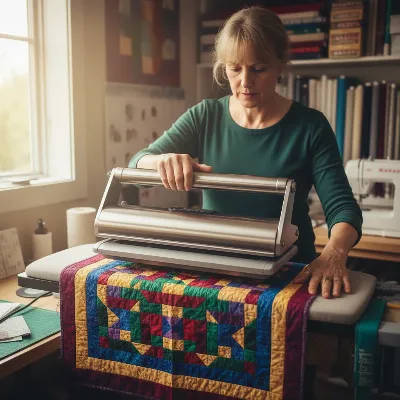 A quilter efficiently pressing a large quilt block with an extra large ironing press, showing precise alignment and steam.
Comparing Popular Extra Large Ironing Presses for Quilters
Choosing the right extra large ironing press involves weighing various factors, from size and power to specific features and budget. The table below compares some of the leading models popular among quilters, offering a snapshot of their key specifications and suitability.
| Feature | SpeedyPress 36 Inch Ultra XL Steam Press | Singer Intelligent Steam Press 2.0 (26-inch) | Steamfast SF-680 Digital Steam Press (25-inch) | Waw Wow Intelligent Steam Press (26-inch) |
|---|---|---|---|---|
| Pressing Surface | 35.5″ x 12″ (90cm x 31cm) | 26″ x 10″ | 25″ x 10.5″ | 26″ x 10″ |
| Power (Wattage) | 1900-2200W | 1600W | 1350-1500W | 1600W |
| Pressing Pressure | ~100 lbs | Variable, manual assistance | Manual assistance | Variable, manual assistance |
| Steam Features | Automatic, multiple dry/steam settings | Auto shut-off, burst of steam | Powerful steam bursts | Auto shut-off, burst of steam |
| Fabric Settings | Digital, various fabric types | Digital, fabric selector | Adjustable | Digital |
| Auto Shut-Off | Yes (10s closed, 15m open) | Yes | Yes | Yes |
| Heat-Up Time | ~4 minutes | Fast | Rapid | Fast |
| Accessories | Pressing cushion, spray bottle, cup | Spray bottle, cup | Spray bottle, pressing cushion, cup | Spray bottle, cup |
| Price Range (Est.) | $600 – $800+ | $250 – $400 | $200 – $350 | $250 – $400 |
| Ideal For | Professional quilters, large projects, heavy use | Serious hobby quilters, medium-large projects | Budget-conscious quilters, medium projects | Hobby quilters, medium projects |
Note: Price ranges are estimates and can vary based on retailer, promotions, and specific model variations.
Essential Factors When Buying an Ironing Press for Quilting
Selecting the perfect extra large ironing press for your quilting endeavors requires careful consideration of several key factors. An informed decision ensures you invest in a machine that not only meets your current needs but also serves you well for future projects.
- Budget: Ironing presses range widely in price, from a few hundred dollars for basic models to over a thousand for professional-grade units. Determine how much you’re willing to invest, keeping in mind that a higher price often correlates with larger pressing surfaces, more robust construction, and advanced features. Balance your budget with the features most critical for your quilting workflow.
- Usage Needs: Consider how frequently you quilt and the typical size of your projects. If you’re a prolific quilter working on large bed-sized quilts, an extra large press (32 inches or more) with powerful steam and pressure is a must. For smaller projects or less frequent use, a slightly smaller “large” press might suffice. Think about the types of fabrics you commonly use; some presses offer specific settings for delicate materials that could be beneficial.
- Size and Space: Extra large ironing presses require dedicated space. Measure your available countertop or floor area to ensure the press fits comfortably, allowing for safe operation and storage. Some models come with custom stands, which can be an advantage for ergonomics but also take up more floor space. Remember to account for the open height of the press during use.
- Key Features:
- Pressing Surface: For quilters, the larger, the better. Look for surfaces 32 inches (80cm) and above to efficiently handle quilt blocks and yardage.
- Steam Functionality: Adjustable and powerful steam bursts are vital for flattening stubborn seams. Automatic steam can save time, while dry pressing options offer versatility.
- Pressure: Consistent, high pressing pressure (often measured in pounds) ensures crisp, flat results without requiring manual effort.
- Temperature Control: Digital, precise temperature settings for various fabric types (cotton, wool, silk, synthetics) are essential for protecting your precious quilt fabrics.
- Safety Features: Automatic shut-off (when left idle or closed for too long) is a crucial safety mechanism, especially in a busy sewing room.
- Durability and Quality: An ironing press is an investment. Look for models from reputable brands known for their durable construction and quality components. Stainless steel elements, heavy-duty hinges, and a robust pressing plate indicate a machine built to last. Reading reviews about product longevity can provide valuable insights.
- User Reviews: Tap into the quilting community! Online forums, product review sites, and quilting blogs often feature in-depth reviews from fellow quilters who share their real-world experiences with specific ironing press models. Pay attention to comments regarding ease of use, performance on different fabrics, and any common issues.
- Warranty and Support: A good warranty provides peace of mind. Check the length of the warranty period and what it covers. Accessible customer support is also important for any troubleshooting or maintenance questions that may arise.
> “For quilters, an extra large ironing press isn’t a luxury, it’s a necessity for achieving those perfectly flat seams that truly make a quilt sing. The consistency of pressure and heat across a broad surface is something a handheld iron simply can’t replicate for large projects.” – Sarah Miller, Professional Quilt Designer and Educator
Top 5 Extra Large Ironing Presses for Quilters
Based on their size, features, power, and suitability for quilting tasks, here are five of the best extra large ironing presses that quilters should consider.
1. SpeedyPress 36 Inch Ultra XL Steam Press
The SpeedyPress Ultra XL stands out as a top-tier choice for serious quilters due to its expansive 35.5-inch (90cm) pressing surface, making it one of the largest available for home use. It boasts a powerful 1900-2200W heating element and delivers approximately 100 pounds of pressing pressure, ensuring impeccably flat results on even the thickest quilt blocks. The digital touch screen offers precise temperature control for various fabrics, and its automatic steam function makes quick work of stubborn wrinkles. It also includes essential safety features like auto shut-off. While it represents a significant investment, its efficiency and professional-grade performance are unparalleled for large-scale quilting projects.
2. SpeedyPress 80HD Digital Steam Press (32-inch)
A slightly more compact but equally robust option from SpeedyPress, the 80HD offers a generous 32-inch pressing surface. This model is ideal for quilters who need significant pressing area but might have slightly less space than the Ultra XL demands. It shares many of the Ultra XL’s premium features, including powerful steam jets, durable construction, and consistent pressure. Its heavy-duty performance and reliability make it a favorite for those seeking a professional-grade press without moving up to the absolute largest size.
3. Singer Intelligent Steam Press 2.0 (26-inch)
While technically not “extra large” compared to the SpeedyPress models, the Singer Intelligent Steam Press 2.0 offers a 26-inch pressing surface that is a significant upgrade from standard irons and can handle many quilting blocks and smaller fabric pieces efficiently. It features a 1600W heating element for quick warm-up and precise electronic temperature control. Its user-friendly design, automatic shut-off, and burst of steam function provide a good balance of features for serious hobby quilters looking for an effective, yet slightly more compact, pressing solution.
4. Steamfast SF-680 Digital Steam Press (25-inch)
The Steamfast SF-680 is another excellent option for quilters who prioritize value and efficiency in a somewhat smaller, though still capable, large format. With a 25-inch pressing surface and powerful steam bursts, it’s adept at removing wrinkles and flattening seams quickly. Its non-stick pressing surface and adjustable temperature settings make it versatile for various fabrics. The SF-680 is known for its reliability and ease of use, making it a popular choice for home quilters who need a substantial upgrade from a traditional iron without the footprint or cost of the very largest presses.
5. Waw Wow Intelligent Steam Press (26-inch)
Similar in specifications to the Singer 2.0, the Waw Wow Intelligent Steam Press features a 26-inch pressing surface and a 1600W heating element. It offers quick heating, digital controls for temperature, and automatic safety shut-off. This press is designed to deliver professional-quality results for home users, making it a strong contender for quilters who work on medium to large projects. Its performance on different fabric types and ease of operation are frequently highlighted in user feedback, providing a reliable option for consistent pressing.
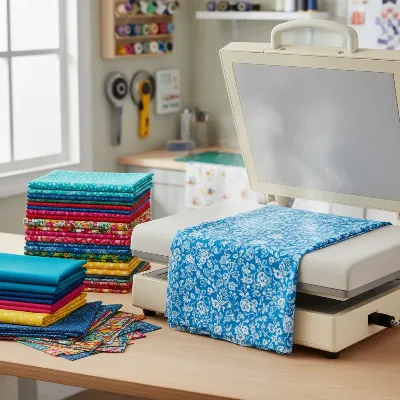 Various quilting fabrics being perfectly flattened and prepared by an ironing press, showcasing efficiency and precision.
Tips for Using and Maintaining Your Extra Large Ironing Press
To maximize the performance and extend the lifespan of your extra large ironing press, proper usage and diligent maintenance are key. Following these tips will ensure your press remains a reliable tool in your quilting arsenal for years to come.
Safe and Effective Usage
- Read the Manual: Always begin by thoroughly reading your specific press’s user manual. It contains crucial information on operation, safety features, and fabric-specific settings.
- Preheat Properly: Allow the press to fully preheat to the recommended temperature for your fabric type before beginning. This ensures even heat distribution and optimal results.
- Position Fabric Carefully: Lay your quilt blocks or fabric pieces flat and smooth on the pressing surface. For seams, ensure they are oriented correctly (open or to one side) before pressing. Overlapping fabric can cause unwanted creases.
- Use a Pressing Cloth (Optional but Recommended): For delicate fabrics, those prone to shine, or when using high heat, place a thin pressing cloth between the fabric and the upper heating plate. This adds an extra layer of protection.
- Utilize Steam Wisely: Use the steam function for stubborn wrinkles or to help set seams. Avoid over-steaming, which can distort delicate fabrics or add too much moisture. Many presses offer burst steam or automatic steam, allowing for precise application.
- Avoid Excessive Pressure: While presses apply significant pressure, avoid manually pushing down on the top plate during operation, as this can damage the mechanism over time. Let the machine do the work.
Maintenance for Longevity
- Regular Cleaning:
- Pressing Plates: After each use, once the press has cooled, wipe down the non-stick pressing plates with a damp cloth to remove any residue. For stubborn spots, consult your manual for recommended cleaning agents or methods (e.g., a mild detergent solution).
- Water Reservoir: If your press uses a water reservoir for steam, empty it after each session and use distilled or demineralized water to prevent mineral buildup and extend the life of the steam system.
- Inspect for Damage: Periodically check the power cord, hinges, and pressing surfaces for any signs of wear, fraying, or damage. Address minor issues promptly to prevent them from worsening.
- Replace Covers/Pads: The padded cover and foam underlay on the lower pressing surface will eventually wear out. Replace them according to the manufacturer’s recommendations or when you notice a decrease in pressing quality. Many presses include spare covers.
- Proper Storage: When not in use, ensure the press is completely cool and unplugged. Store it in a clean, dry area, ideally in its locked position to protect the plates and prevent accidental opening. If using a stand, ensure it’s stable.
Common Issues and Troubleshooting
- Fabric Sticking: Ensure the pressing plates are clean. If using starch, use it sparingly or consider a pressing cloth. Check fabric type and adjust temperature settings; too high heat can cause sticking.
- Inconsistent Results: Verify the press has fully preheated. Ensure fabric is laid flat without wrinkles underneath. Check if the pressing pad needs replacing.
- No Steam/Low Steam: Ensure the water reservoir is filled with distilled water. Check for mineral buildup in steam vents (descaling may be needed per manual). Verify steam settings are active.
- Press Not Heating: Check if the power cord is securely plugged in and if the outlet is functioning. Ensure the power button is on and the temperature is set. If safety features like auto shut-off have activated, reset the machine.
Conclusion
For quilters aiming for precision and efficiency, investing in an extra large ironing press is a transformative decision. These powerful machines streamline the often-tedious task of pressing, ensuring every seam is flat and every quilt block is crisp, which is paramount to achieving a professional finish. From the expansive pressing surfaces of the SpeedyPress Ultra XL to the robust performance of models like the Singer Intelligent Steam Press 2.0, there’s a perfect match for every quilting studio and budget. By understanding the classifications, prioritizing key features, and committing to proper usage and maintenance, you can select an extra large ironing press that will not only save you time but also significantly enhance the quality of your quilting projects.
What large-scale quilting project are you most excited to tackle with the help of a new ironing press?
Frequently Asked Questions
Frequently Asked Questions
What makes an extra large ironing press better for quilting than a regular iron?
An extra large ironing press offers a significantly larger pressing surface, typically 32 inches or more, allowing quilters to flatten multiple blocks or large fabric pieces in a single press. It provides consistent, even heat and heavy pressure across the entire surface, ensuring perfectly flat seams and preventing fabric distortion, which is crucial for accurate piecing in quilting. Traditional irons require more time and effort, with less consistent results over large areas.
How big should an ironing press be for serious quilters?
For serious quilters, an ironing press with a pressing surface of at least 32 inches (approximately 80cm) is highly recommended. This size allows for efficient pressing of fat quarters, multiple quilt blocks simultaneously, and even sections of larger quilt tops, greatly enhancing productivity and precision.
Can I use starch with an extra large ironing press?
Yes, you can use starch with an extra large ironing press, and many quilters find it beneficial for crisping fabric. However, use starch sparingly and consider applying it before placing fabric on the press to avoid residue buildup on the pressing plates. A pressing cloth can also be used as a protective barrier.
Are extra large ironing presses safe to use in a home environment?
Modern extra large ironing presses are designed with safety in mind. Most models include automatic shut-off features that activate if the press is left closed for too long or left open and idle for an extended period, preventing overheating and potential hazards. Always follow the manufacturer's safety guidelines and store the press securely when not in use.
How often do I need to replace the cover and padding on my ironing press?
The frequency of replacing the cover and padding depends on your usage. For regular quilters, it's generally recommended to replace them every 12-18 months, or sooner if you notice significant wear, scorching, or a decrease in pressing effectiveness. Some manufacturers include spare covers, and replacements are usually readily available.
Using and Maintaining Your Extra Large Ironing Press
Maximize the performance and extend the lifespan of your extra large ironing press with these essential usage and maintenance tips.
Always read your press's user manual thoroughly for operation and safety. Preheat the press to the recommended temperature for your fabric type to ensure even heat. Position quilt blocks or fabric pieces flat and smooth, using a pressing cloth for delicate materials.
Use the steam function for stubborn wrinkles or to set seams, but avoid over-steaming to prevent fabric distortion. Let the machine apply pressure; do not manually push down on the top plate, as this can damage the mechanism over time.
After each use, wipe down the cooled non-stick pressing plates with a damp cloth to remove residue. If your press uses a water reservoir, empty it after each session and use distilled water to prevent mineral buildup and extend the steam system's life.
Periodically check the power cord, hinges, and pressing surfaces for wear or damage. Replace the padded cover and foam underlay every 12-18 months, or sooner if pressing quality decreases, to maintain optimal performance.
When not in use, ensure the press is completely cool and unplugged. Store it in a clean, dry area, ideally in its locked position to protect the plates and prevent accidental opening, ensuring stability if using a stand.

As a quilter, achieving professional-quality quilt assembly has always been my goal, and this extra large ironing press is the secret weapon. It handles multiple quilt blocks at once, which is a huge time saver. The results are consistently excellent, with no more wavy seams or uneven blocks. Highly recommend for anyone serious about their craft!
I finally invested in an extra large ironing press for my quilting projects, and it’s been a total game-changer. The consistent pressure across large fabric pieces really makes a difference for perfectly flat seams. My blocks are so much crisper now, which has improved my piecing accuracy immensely. I can’t believe I waited so long to get one of these!
I got one of these to help with my larger quilt blocks, and while it does a good job flattening them, I found the initial setup a bit fiddly. The instructions weren’t super clear on how to get the best consistent heat. Once I figured it out, it worked fine, but it wasn’t as plug-and-play as I hoped. Still, it’s better than wrestling with a regular iron for big pieces.
This press has definitely cut down on my pressing time, especially with bigger quilt tops. It’s so much faster than my old iron. The only thing is, it takes up a fair bit of space in my sewing room, so make sure you have a dedicated spot for it. Otherwise, it’s a solid investment for any serious quilter.