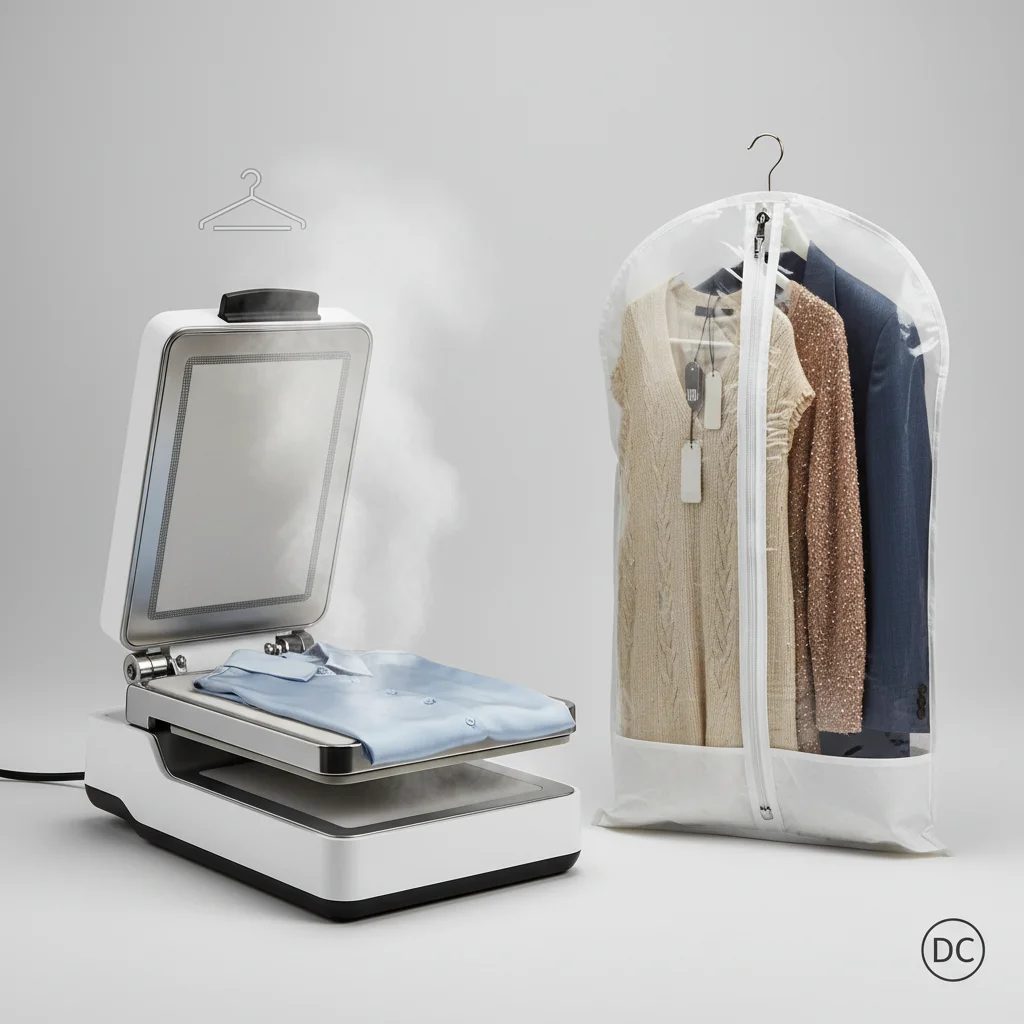
When it comes to caring for delicate garments, the choice between using an ironing press at home and sending items to a professional dry cleaner often comes down to cost, convenience, and the specific fabric. For many common delicates like silk blouses, rayon dresses, and certain wool blends, an ironing press can offer a safe and effective at-home solution, potentially saving you significant money over time. However, for heavily soiled items, structured garments, or fabrics explicitly labeled “dry clean only,” professional dry cleaning remains the superior and safer option.
An ironing press, particularly one with steam capabilities and adjustable temperature settings, can gently remove wrinkles from a wide range of delicate fabrics. The large pressing surface and controlled heat distribution minimize the risk of scorching or stretching that can occur with a traditional iron. For instance, a silk scarf can be perfectly smoothed in seconds without the harsh chemicals often associated with dry cleaning. This method is particularly advantageous for those who frequently wear delicate items and want to maintain them without constant trips to the cleaner. For more home guides on this site.
Understanding Fabric Needs: When to Press, When to Dry Clean
The key to making the right choice lies in understanding your garment’s fabric composition and care label. Fabrics like cotton, linen, most silks, and many synthetic blends (e.g., polyester, rayon) can often be safely pressed at home. Always check the care label for specific temperature recommendations and whether steam is advised. For example, while silk can be pressed, it typically requires a low heat setting and often a pressing cloth to prevent direct heat damage. Wool, too, can benefit from a steam press on a medium setting, which helps to relax fibers without flattening them.
Conversely, garments made from acetate, velvet, or those with intricate embellishments, heavy beading, or complex structures (like tailored suits or heavily pleated skirts) are generally best left to professional dry cleaners. These materials and designs often require specialized solvents or techniques that an ironing press cannot replicate. Dry cleaning also excels at removing oil-based stains and odors that a simple press cannot address.
Cost and Convenience: Weighing Your Options
|
Our Picks for the Best Ironing Press in 2026
As an Amazon Associate I earn from qualifying purchases.
|
||
| Num | Product | Action |
|---|---|---|
| 1 | Calogy Mini Heat Press, Heat Transfer Machine, Constant Temp Control, Insulated Safety Base, Fits for Crafts, T-Shirt, Hat, Cap, Pillows(White Pink) |

|
| 2 | The Quilted Bear Mini Steam Iron - Lightweight Mini Travel Iron for Effortless Quilting & Wrinkle-Free Clothes with Hard Shell Case - Travel Steamer Craft Press for Clothes & Crafts (Black) |
|
| 3 | BLACK+DECKER Press & Steam 2-in-1 Iron and Steamer, 180% More Steam & One Temperature Technology, Ceramic Soleplate, Safe on All Fabric Types |
|
| 4 | BLACK+DECKER Easy Steam Compact Iron for Clothes, Automatic Shutoff, Nonstick Plate, Light Weight, 1200 Watts |
|
| 5 | Cricut EasyPress Mini Heat Press - for Pressing Small Objects Like Shoes, Stuffed Animals, Hats & More - 3 Heat Settings & Precision Tip - Ceramic-Coated Heat Plate - Compact & Lightweight - Zen Blue |
|
| 6 | Steamfast SF-680 Digital Steam Press with Multiple Fabric Settings and Steam Burst Function,Stainless/Black |
|
| 7 | HTVRONT Heat Press Mini Heat Press Machine, Small Heat Press Portable Iron Press Machine for T Shirts, Hats, Heating Transfer Projects (Mint) |
|
| 8 | DRFLASH 2-in-1 Steamer & Iron for Clothes,15s Fast Heat-up 1200W Portable Handheld Garment Steamer,Travel Size with Large Ceramic Heat Panel,Quick Wrinkle Removal,110V-120V |
|
| 9 | Cricut EasyPress Mini™ LT - Mint Green - Mini Heat Press for Pressing Shoes, Baby Clothes, T-Shirts, & More - Easy to Use with a Single Setting - Precision Tip - Compact & Portable Mini Iron |
|
| 10 | Steamfast SF-623 Mid-Size Steam Press with Multiple Fabric Settings and Steam Burst Function, Black, 20.47" L x 17.16" W x 6.73" H |
|
From a cost perspective, investing in a quality ironing press can lead to substantial long-term savings. The average cost of dry cleaning a single delicate item can range from $5 to $20, depending on the garment and location. Over a year, these costs can quickly add up. An ironing press, while an initial investment, allows for unlimited at-home care, reducing recurring expenses significantly.
In terms of convenience, an ironing press offers immediate results. You can press an item as needed, without the travel time to and from the dry cleaner or waiting for turnaround times. This is particularly beneficial for last-minute needs or for maintaining a crisp appearance for work or special events. However, dry cleaning offers the convenience of professional stain removal and specialized care for garments that are difficult or impossible to clean at home.
Tips for Pressing Delicates Safely at Home
- Always Check the Care Label: This is your primary guide for temperature and method.
- Use a Pressing Cloth: For silks, satins, and dark fabrics, a thin cotton pressing cloth prevents shine and protects against direct heat.
- Start with Low Heat: Begin with the lowest recommended temperature and gradually increase if needed.
- Utilize Steam Sparingly: Steam is excellent for relaxing fibers, but too much can sometimes over-saturate delicate fabrics.
- Allow to Cool: Let the garment cool completely on a hanger before wearing or folding to set the press and prevent new wrinkles.
When Professional Dry Cleaning is Indispensable
Despite the versatility of an ironing press, there are clear scenarios where professional dry cleaning is the only viable option. Garments with stubborn stains, especially oil-based ones, require the specialized solvents used in dry cleaning. Items with intricate pleats, delicate embroidery, or structured tailoring (like blazers or formal gowns) benefit from the expertise of dry cleaners who can maintain their shape and integrity. Furthermore, any garment explicitly labeled “dry clean only” should always be taken to a professional to avoid irreversible damage.
Ultimately, the decision between an ironing press and dry cleaning for delicates depends on the specific garment, your budget, and your lifestyle. For everyday maintenance of many delicate fabrics, an ironing press is a cost-effective and convenient solution. For complex garments, stubborn stains, or materials that demand specialized care, professional dry cleaning remains the gold standard.
