Descaling your steam ironing press safely at home is a straightforward DIY task that can restore it to peak performance, typically taking about 30-60 minutes. Limescale buildup, caused by mineral deposits from hard water, can lead to sputtering, chalky marks on garments, and inconsistent steam. Addressing these issues promptly with natural remedies like white vinegar or citric acid, or commercial descalers, ensures your machine remains efficient and extends its lifespan.
Understanding the Enemy: What is Limescale and Why it Matters
Limescale is a hard, chalky deposit consisting mainly of calcium carbonate, which forms when hard water evaporates. Over time, these mineral deposits accumulate inside your steam ironing press’s water tank, heating elements, and steam channels. This buildup isn’t just an aesthetic issue; it significantly impacts your appliance’s functionality. It can restrict water flow, reduce steam output, increase ironing time, and even cause unsightly white or brown flakes to appear on your clothes. In severe cases, limescale can clog steam vents entirely or permanently damage the internal components of your machine, leading to costly repairs or premature replacement.
Recognizing the early warning signs can save you hassle and extend the life of your ironing press. Watch out for a noticeable decrease in steam production, strange sputtering or gurgling noises during operation, visible white or chalky residue around the steam vents or within the water tank, and an overall decline in ironing performance. If your ironing press starts to drag on fabrics, leak water, or produce uneven heat, it’s a clear indication that a descaling session is overdue. Addressing these symptoms promptly ensures your machine remains efficient and your clothes stay pristine. For explore our home reviews on this site.
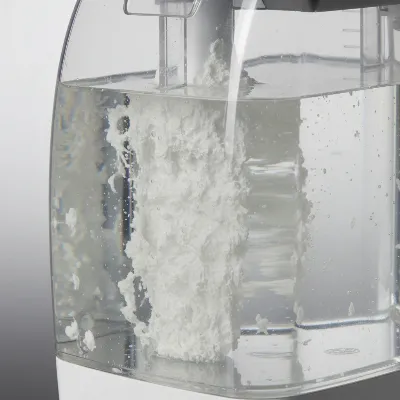 Close-up of limescale buildup in a steam ironing press water tank, showing white, chalky deposits near the fill line.
Choosing Your Weapon: DIY vs. Commercial Descaling Solutions
When it comes to tackling limescale, you have a few effective options, ranging from readily available household ingredients to specialized commercial products. Each method offers distinct advantages, but the golden rule remains: always consult your ironing press’s manufacturer manual first. Some brands specifically advise against certain DIY solutions, which could potentially damage internal components or void your warranty.
Natural Remedies
Natural descaling agents are popular for their eco-friendliness and accessibility. They typically rely on mild acids to dissolve mineral deposits.
- White Vinegar: This is arguably the most common and effective DIY descaler. Its acetic acid works wonders in breaking down calcium and lime buildup. For descaling the internal components, a solution of equal parts white vinegar and distilled water is generally recommended.
- Citric Acid: A natural and highly effective alternative, citric acid is often found in store-bought descalers. Dissolve approximately two tablespoons of citric acid powder in one cup of distilled water to create a potent descaling solution.
- Lemon Juice: While less potent than white vinegar or citric acid, lemon juice can also be used. Mix one part fresh lemon juice with three parts distilled water. Be mindful that lemon juice’s acidity can be more corrosive if left for extended periods, so a shorter soak time (maximum 15 minutes) is advisable. It’s crucial to stick to one natural remedy at a time; combining them offers no added benefit and could be counterproductive or even damaging.
Commercial Descalers
|
Our Picks for the Best Ironing Press in 2026
As an Amazon Associate I earn from qualifying purchases.
|
||
| Num | Product | Action |
|---|---|---|
| 1 | DRFLASH 2-in-1 Steamer & Iron for Clothes,15s Fast Heat-up 1200W Portable Handheld Garment Steamer,Travel Size with Large Ceramic Heat Panel,Quick Wrinkle Removal,110V-120V |

|
| 2 | BLACK+DECKER Easy Steam Compact Iron for Clothes, Automatic Shutoff, Nonstick Plate, Light Weight, 1200 Watts |
|
| 3 | The Quilted Bear Mini Steam Iron - Lightweight Mini Travel Iron for Effortless Quilting & Wrinkle-Free Clothes with Hard Shell Case - Travel Steamer Craft Press for Clothes & Crafts (Black) |
|
| 4 | Cricut EasyPress Mini Heat Press - for Pressing Small Objects Like Shoes, Stuffed Animals, Hats & More - 3 Heat Settings & Precision Tip - Ceramic-Coated Heat Plate - Compact & Lightweight - Zen Blue |
|
| 5 | Steamfast SF-623 Mid-Size Steam Press with Multiple Fabric Settings and Steam Burst Function, Black, 20.47" L x 17.16" W x 6.73" H |
|
| 6 | HTVRONT Heat Press Mini Heat Press Machine, Small Heat Press Portable Iron Press Machine for T Shirts, Hats, Heating Transfer Projects (Mint) |
|
| 7 | Steamfast SF-680 Digital Steam Press with Multiple Fabric Settings and Steam Burst Function,Stainless/Black |
|
| 8 | Calogy Mini Heat Press, Heat Transfer Machine, Constant Temp Control, Insulated Safety Base, Fits for Crafts, T-Shirt, Hat, Cap, Pillows(White Pink) |
|
| 9 | BLACK+DECKER Press & Steam 2-in-1 Iron and Steamer, 180% More Steam & One Temperature Technology, Ceramic Soleplate, Safe on All Fabric Types |
|
| 10 | Cricut EasyPress Mini™ LT - Mint Green - Mini Heat Press for Pressing Shoes, Baby Clothes, T-Shirts, & More - Easy to Use with a Single Setting - Precision Tip - Compact & Portable Mini Iron |
|
For those who prefer a professional-grade solution or whose manufacturer manual recommends against natural acids, commercial descalers are an excellent choice. Brands like Oust and Ecozone offer products specifically formulated for irons and kettles. These solutions are often highly effective and fast-acting, sometimes working in as little as 10 minutes. When using a commercial descaler, always read and meticulously follow the product’s instructions, as formulations and application methods can vary significantly. Wearing protective gloves is also a wise precaution.
Self-Cleaning Function
Many modern steam ironing presses come equipped with a “self-clean” or “anti-calc” function. This feature simplifies maintenance by guiding you through an automated descaling cycle. If your machine has this, prioritize using it regularly as per the manufacturer’s instructions. Even with a self-cleaning function, occasional manual descaling, especially of the soleplate and vents, can be beneficial for a comprehensive clean.
Step-by-Step DIY Descaling Process for Your Steam Ironing Press
Descaling your steam ironing press doesn’t have to be daunting. Follow these steps carefully to safely and effectively remove limescale buildup using natural remedies.
Preparation: Safety First
Before you begin, ensure the ironing press is unplugged and completely cool to the touch. Gather your materials: white vinegar or citric acid, distilled water, a measuring cup, an old towel or rag that you don’t mind getting stained, a few cotton swabs, and a wooden toothpick (optional, for stubborn vent blockages). Work in a well-ventilated area, especially if using vinegar, as the smell can be strong.
Mixing Your Solution
For white vinegar, mix equal parts white vinegar and distilled water in a measuring cup. For example, if your tank capacity is 1 cup, use half a cup of vinegar and half a cup of distilled water. If using citric acid, dissolve two tablespoons of citric acid powder in one cup of distilled water, stirring until fully dissolved. Distilled water is recommended to prevent new mineral deposits from forming during the cleaning process and to ensure the solution’s purity.
Filling the Tank and Heating
Carefully pour the prepared descaling solution into the water reservoir of your steam ironing press, filling it no more than one-third to halfway. Avoid overfilling. Plug in the ironing press and set it to a medium-high or steam-appropriate temperature setting. Allow the machine to heat up fully until the indicator light signals it’s ready for steaming. This heating process helps the acidic solution penetrate and break down the limescale more effectively.
Steaming Out the Scale
Once heated, hold the ironing press over an old towel or a sink. Activate the steam function repeatedly, pressing the steam burst button several times, allowing the solution to steam out through the vents. Continue this process until the water tank is nearly empty. You might notice discolored water or small mineral flakes being expelled, which is a sign that the descaling is working. For steam presses with a large surface, move the press around on the old towel to ensure the solution covers all steam outlets.
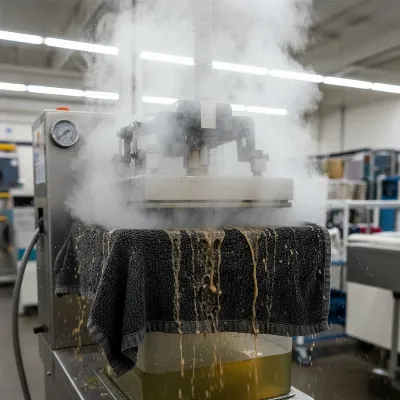 Steam ironing press releasing steam onto an old towel during the descaling process, showing a mixture of steam and discolored water.
Rinsing Thoroughly
After the descaling solution has run through, unplug the ironing press and let it cool down completely. Once cool, empty any remaining solution from the tank and rinse the reservoir thoroughly with clean distilled water. This step is crucial to remove any residual descaling agent and loosened limescale. Refill the tank with fresh distilled water and run several more steam cycles over a clean towel or in the sink. Repeat this rinse-and-steam process two to three times until only clear steam and water are emitted. This ensures no acidic residue is left behind, which could otherwise stain clothes during future use.
Cleaning the Soleplate and Vents
While the internal system is being descaled, the soleplate and steam vents also need attention. For external soleplate grime or sticky residue, create a paste using two parts baking soda and one part water. Gently apply this paste to the cool soleplate with a soft cloth or sponge, scrubbing gently. Wipe clean with a damp cloth and dry thoroughly. For clogged steam vents, dip a cotton swab in your vinegar and distilled water solution (or plain distilled water if vinegar is not advised for external parts by your manual) and carefully clean around each steam hole. A wooden toothpick can help dislodge stubborn blockages, but be gentle to avoid scratching the soleplate.
Final Test
Before using your freshly descaled ironing press on your favorite clothes, perform a final test. Fill the tank with distilled water and iron an old, clean piece of fabric or another towel. Check for any remaining discoloration, residue, or unusual odors. If all looks clear, your steam ironing press is ready to return to its wrinkle-fighting duties.
Essential Precautions and Tips for Safe Descaling
To ensure the longevity of your steam ironing press and your safety, it’s vital to observe several precautions during the descaling process and general maintenance.
Always Consult Your Manual
This cannot be stressed enough: always refer to your ironing press’s specific user manual before attempting any descaling method. Manufacturers often provide detailed instructions, recommended descaling solutions (if any), and crucial warnings specific to your model. Ignoring these guidelines could lead to damage, void your warranty, or compromise your safety. Some models have internal coatings or components that react negatively to certain chemicals, including vinegar.
Distilled Water is Key
To prevent limescale buildup in the first place, make it a habit to use distilled or demineralized water exclusively in your steam ironing press. Tap water, especially in hard water areas, is the primary cause of mineral deposits. Using distilled water for daily operation will drastically reduce the frequency with which you need to descale.
Avoid Mixing Solutions
Never combine different descaling agents, whether natural or commercial. Mixing chemicals can lead to unpredictable and potentially dangerous reactions, producing harmful fumes or corrosive compounds that could severely damage your appliance. Stick to one chosen method and follow its instructions carefully.
Proper Disposal
After descaling, dispose of the used solution safely. If using natural remedies like vinegar or citric acid, the diluted solution can typically be poured down a drain with plenty of running water. For commercial descalers, follow the disposal instructions provided by the product manufacturer.
Ventilation
Ensure you work in a well-ventilated area, particularly when using vinegar or commercial descalers, as their fumes can be strong or irritating. Open windows and doors to allow for adequate airflow.
Don’t Over-Soak
While the descaling solution needs time to work, leaving acidic solutions in your ironing press for excessively long periods (e.g., overnight) is not recommended. Prolonged exposure to acids, even mild ones, can potentially corrode internal metal parts or seals. Adhere to the recommended soaking or steaming times provided in the general instructions or your manual.
Maintaining a Scale-Free Press: Prevention is Better Than Cure
Proactive maintenance is the best defense against limescale. By incorporating a few simple habits into your routine, you can significantly prolong the life and efficiency of your steam ironing press, minimizing the need for frequent deep descaling.
One of the most effective preventive measures is to empty the water tank after each use. Allowing water to sit in the reservoir means that minerals have more time to settle and form scale. After emptying, leave the water tank cap or filler open to air dry completely. This prevents residual moisture from promoting mineral deposition and bacterial growth, especially if the iron won’t be used for a while.
As previously mentioned, always use distilled or demineralized water in your ironing press. This eliminates the source of limescale buildup entirely, making descaling a much rarer necessity. Regular routine wipes of the soleplate with a soft, damp cloth after each use can also prevent surface residue from hardening. For the exterior, a quick wipe with a damp cloth keeps dust and grime at bay.
It’s also crucial to avoid putting starch, fabric softeners, or fragranced water directly into the water tank. These additives can leave sticky residues that clog steam vents and internal channels, creating problems similar to limescale. If you wish to use starch, apply it directly to the fabric rather than through the iron’s system.
Even with preventative measures, a periodic deep clean is beneficial. The frequency of descaling your steam ironing press will depend on how often you use it and the hardness of your local water. As a general guideline, descaling every 1 to 4 months is a good practice. If you use distilled water consistently, you might only need to descale annually or when you notice signs of reduced performance. Regular attention to these simple maintenance tips will keep your ironing press performing flawlessly for years to come.
Conclusion
Maintaining a clean, scale-free steam ironing press is fundamental to achieving perfectly pressed garments and ensuring the longevity of your appliance. By understanding the detrimental effects of limescale and implementing safe, effective DIY descaling methods, you can restore your machine’s optimal performance. Whether you choose the natural power of white vinegar or a specialized commercial solution, always prioritize safety and consult your manufacturer’s manual. Consistent use of distilled water and diligent post-ironing care are your strongest allies in the ongoing battle against mineral buildup. Embrace these habits, and you’ll not only extend the life of your ironing press but also improve your ironing experience to new, wrinkle-free heights.
What other essential maintenance tips have you discovered for keeping your ironing press in top condition?
Frequently Asked Questions
How often should I descale my steam ironing press?
The frequency depends on your usage and water hardness. Generally, descaling every 1 to 4 months is recommended. If you consistently use distilled water, you may only need to descale once or twice a year, or when you notice signs of reduced steam or mineral deposits.
Can I use tap water in my steam ironing press?
It is strongly recommended to use distilled or demineralized water. Tap water contains minerals that cause limescale buildup, leading to poor performance and potential damage. Using distilled water is the best way to prevent scale formation.
What if my ironing press has a self-cleaning function?
If your ironing press has a self-cleaning or “anti-calc” function, use it regularly according to the manufacturer’s instructions. While this feature helps, occasional manual descaling of the soleplate and vents, or even a full internal descaling (if approved by the manual), can provide a more thorough clean.
Is white vinegar safe for all steam ironing presses?
Not always. While effective, the acidity of white vinegar can be corrosive to certain internal components or coatings in some models, potentially voiding the warranty. Always check your ironing press’s user manual before using vinegar or any DIY descaling solution.
Can I use baking soda inside the water tank for descaling?
It’s generally not recommended to use baking soda inside the water tank for descaling. While baking soda is excellent for cleaning the soleplate, its abrasive nature and tendency to clump can potentially block steam vents or leave residues within the internal water system, which can be difficult to flush out. Stick to vinegar, citric acid, or commercial descalers for internal cleaning.
DIY Descaling Process for Your Steam Ironing Press
Safely and effectively remove limescale buildup from your steam ironing press using natural remedies like white vinegar or citric acid to restore optimal performance.
Ensure the ironing press is unplugged and cool. Gather white vinegar or citric acid, distilled water, a measuring cup, old towels, cotton swabs, and a wooden toothpick. Mix equal parts white vinegar and distilled water, or two tablespoons of citric acid powder in one cup of distilled water.
Pour the descaling solution into the water reservoir, filling it one-third to halfway. Plug in the press, set to medium-high heat, and allow it to warm up fully. Hold the press over an old towel or sink and repeatedly activate the steam function until the tank is nearly empty, expelling discolored water and mineral flakes.
Unplug and cool the press, then empty any remaining solution. Rinse the reservoir with clean distilled water. Refill the tank with fresh distilled water and run several more steam cycles over a clean towel until only clear steam is emitted, ensuring no acidic residue remains.
For external soleplate grime, create a paste with two parts baking soda and one part water, gently scrubbing with a soft cloth. Wipe clean and dry. For clogged steam vents, use a cotton swab dipped in your vinegar solution or plain distilled water, and a wooden toothpick for stubborn blockages, being careful not to scratch the soleplate.
Before using on clothes, fill the tank with distilled water and iron an old, clean piece of fabric or towel. Check for any remaining discoloration, residue, or unusual odors. If clear, your steam ironing press is ready for use.

I tried the descaling process, and while it did help with some of the inconsistent steam, it didn’t completely fix the issue. It took me closer to an hour, not 30-60 minutes, to really get everything cleaned out. My press is better, but still not quite at peak performance like it used to be. Maybe I need a stronger solution.
My ironing press was making weird noises and the steam was really weak. I followed the steps for descaling using white vinegar, and it was surprisingly easy. The difference is incredible! It’s like having a brand new machine. Definitely recommend doing this regularly to extend the lifespan of your appliance.
This guide was really helpful for understanding why my press wasn’t performing. I always just thought it was getting old, but the explanation about limescale from hard water made so much sense. I used a commercial descaler this time, and it definitely improved the steam output. Next time I might try the citric acid method.
I’ve been struggling with my ironing press sputtering and leaving chalky marks on my dark fabrics for months. I was about to buy a new one, but decided to try the white vinegar method mentioned. It worked like a charm! My press is steaming consistently again, and no more white residue. So glad I found this advice.