For optimal garment care and efficient wrinkle removal, you should change your ironing press pad cover every 1 to 3 years, depending on usage frequency and material quality. Recognizing specific signs of wear, such as visible scorch marks, flattened padding, or compromised ironing performance, is crucial for timely replacement. A well-maintained, high-quality cover ensures smooth gliding, even heat distribution, and protection for your clothes, making the ironing process significantly easier and more effective.
Why Your Ironing Press Pad Cover Matters
The ironing press pad cover serves as a critical interface between your clothes and the heated surface of the press. Its primary role is to provide a smooth, heat-reflective, and adequately padded surface, allowing the iron to glide effortlessly and evenly distribute heat and steam. A good cover facilitates wrinkle removal, prevents scorching, and protects delicate fabrics from direct contact with the hot metal plate or the underlying mesh of the press.
Conversely, a neglected or worn-out cover can hinder your ironing efforts. You might find yourself pressing the same spot multiple times, struggling with stubborn creases, or even noticing imprints from the press’s internal structure on your clothes. The condition of your pad cover directly impacts the quality of your ironing results, making its timely replacement an integral part of maintaining your pressing equipment and garment care routine.
Key Indicators: When to Replace Your Ironing Press Pad Cover
Determining the right time to change your ironing press pad cover isn’t just about adhering to a rigid schedule; it’s about recognizing specific signs of wear that compromise performance and protection. Paying attention to these indicators will help you maintain optimal ironing conditions.
Visible Wear and Tear
The most obvious signs often appear on the surface of the cover itself. Look for prominent burn marks, scorch spots, or noticeable discoloration that won’t wash out. These marks indicate that the fabric’s heat resistance has degraded, and it can no longer effectively shield your garments. Fading, thinning areas, or even small holes are also clear indicators that the cover material is breaking down and losing its protective qualities.
Loss of Padding Resilience
Beneath the fabric cover lies the padding, typically made of foam or felt. Over time, this padding can become compressed, flattened, or develop uneven areas due to repeated heat and pressure. If you start to feel the hard metal base of your ironing press through the cover, or if garments show imprints of the underlying mesh, it’s a definite sign that the padding has lost its cushioning ability. Insufficient padding not only makes ironing less effective but also increases the risk of damage to your clothes.
Compromised Performance
When your ironing results decline despite using the same iron and techniques, your cover might be the culprit. If you notice clothes are still wrinkled after pressing, or if the iron doesn’t glide as smoothly as it once did, the cover’s surface may be compromised. Sticking, snagging, or leaving unexpected marks or stains on your clean clothes are also strong signals that your pad cover is past its prime and needs immediate replacement to prevent further garment damage.
Hygiene and Cleanliness
Even with regular cleaning, some stains become permanent, and a cover can accumulate dirt, lint, or fabric residue over time. If your cover looks perpetually “dirty” or “gross,” or if stubborn stains cannot be removed, it’s time for a change. A clean surface is essential for hygienic and effective ironing, ensuring that no unwanted residue transfers onto your freshly laundered items.
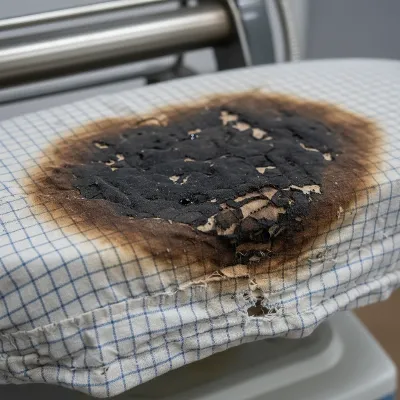 A heavily discolored and scorched ironing press pad cover with visible thinning and fraying fabric.
Factors Influencing Ironing Press Pad Cover Lifespan
The lifespan of an ironing press pad cover is not uniform; several factors contribute to how quickly it wears out. Understanding these elements can help you anticipate when a replacement might be needed and make informed choices for your next purchase.
Frequency of Use
Naturally, how often you use your ironing press is the most significant factor. If you iron once a week, a good quality cover might last around three years. However, for those who iron two or three times a week, or even daily for larger households or professional use, the cover will endure much more stress and will likely need to be replaced sooner, possibly every year or two. High-frequency usage accelerates the breakdown of both the cover fabric and its underlying padding.
Quality of Materials and Construction
The durability of a cover largely depends on the materials it’s made from. High-quality covers, often constructed from heavy-duty cotton, metallized fabrics, or silicone-coated blends, offer superior heat resistance and longevity compared to cheaper, thinner alternatives. The type and thickness of the padding also play a crucial role; felt padding tends to be more durable and retain its shape better than standard foam, which can flatten quickly. Covers with reinforced stitching also contribute to a longer lifespan.
Ironing Habits
Your ironing technique can impact your cover’s durability. Leaving a hot iron resting on the cover for extended periods, using excessive heat settings, or frequently employing steam functions can accelerate scorching and material degradation. Aggressive ironing, such as pressing too hard or dragging the iron roughly across the surface, also contributes to premature wear and tear on both the fabric and padding.
Care and Maintenance Routine
Proper care can significantly extend the life of your ironing press pad cover. Regularly cleaning the cover by wiping away residue or machine washing it (if the care label allows) prevents buildup and maintains its surface quality. However, even with diligent cleaning, a cover will eventually succumb to wear. Storing your press in a dry, protected environment away from extreme humidity also helps prevent material degradation and rust on any metal components.
Extending the Life of Your Ironing Press Pad Cover
While replacement is inevitable, you can implement practices that maximize the life of your ironing press pad cover, ensuring you get the most value and optimal performance from your investment.
Choosing a Durable Cover
When purchasing a new cover, prioritize quality over cost. Look for covers made from robust materials like heavy-duty cotton, metallized cotton (which reflects heat), or silicone-coated fabrics (known for scorch and stain resistance). Opt for covers with thick, resilient padding, ideally made of felt or a combination of foam and fiber, as these will maintain their shape and cushioning properties longer. Investing in a high-quality cover upfront can reduce the frequency of replacements.
Regular Cleaning and Proper Storage
Keep your cover clean by wiping it down regularly with a damp cloth to remove starch residue and dirt. If the cover is machine washable, follow the manufacturer’s instructions for periodic deep cleaning; often, washing it in cold water is sufficient. When storing your ironing press, ensure it’s in a clean, dry area. If possible, allow the cover to cool completely and dry out any residual moisture before folding or storing to prevent mildew or odors. Some users find that re-fitting a slightly damp cover can help it dry taut and wrinkle-free on the press.
Mindful Ironing Practices
Adopt habits that are gentle on your cover. Avoid leaving the hot iron directly on the cover for extended periods, especially on high heat settings. Use an iron rest or stand when pausing. Match the iron’s temperature to the fabric you’re pressing to prevent unnecessary scorching. While steam is beneficial, excessive, prolonged steaming in one spot can accelerate moisture damage to the padding. By being conscious of how you interact with the cover, you can minimize premature wear.
Choosing Your Next Ironing Press Pad Cover
Selecting the right replacement cover is key to maintaining efficient and effective ironing. With various options available, considering a few crucial aspects will help you make the best choice for your needs.
Material Considerations
The material of your cover significantly impacts its performance and longevity.
- Cotton: A traditional choice, cotton is breathable and provides a smooth glide, but it can scorch and stain more easily.
- Metallized Cotton: These covers feature a metallic coating that reflects heat, speeding up ironing time and improving efficiency. They also offer enhanced scorch resistance.
- Silicone-Coated: Known for being highly durable, silicone-coated covers are excellent at resisting scorches and stains, making them a long-lasting option.
- Polyester/Polycotton Blends: Often more affordable and very durable, these blends are stain-resistant and easy to clean, though they might not manage heat as effectively as natural fibers.
Padding Thickness and Type
Adequate padding is essential for protecting your clothes and ensuring smooth ironing.
- Foam: Common and heat-resistant, but can compress and flatten over time, losing its cushioning. Thicker foam generally lasts longer.
- Felt: A more durable option than foam, felt pads are firm and maintain their shape, providing a consistent ironing surface.
- Combination Padding: Many high-quality covers feature layers of both foam and felt or other fibers for superior resilience, heat distribution, and longevity.
Fit and Fastening System
Ensure the new cover is the correct size for your ironing press. An ill-fitting cover can bunch up, create wrinkles, and reduce ironing efficiency. Most covers use a drawstring, elastic, or hook-and-loop straps for securing. A good fastening system allows you to tighten the cover snugly, providing a smooth and stable surface free from creases and movement during use.
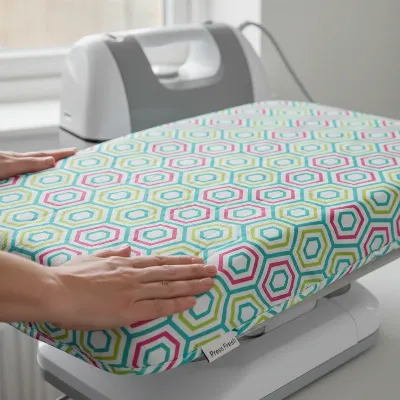 A person carefully installing a fresh, clean ironing press pad cover onto a domestic ironing press.
Conclusion
The humble ironing press pad cover plays a far more critical role in your garment care routine than you might initially think. Recognizing the signs of wear, understanding the factors that affect its lifespan, and committing to regular maintenance are key to ensuring efficient and effective ironing. By investing in a high-quality replacement when needed and adopting mindful ironing practices, you not only extend the life of your cover but also protect your clothing and achieve consistently crisp, professional results. Don’t let a worn-out cover diminish your ironing efforts; a fresh, well-padded surface is your secret weapon against wrinkles. How often do you truly inspect your ironing press pad cover for signs it’s ready for retirement?
Frequently Asked Questions
Frequently Asked Questions
How often should I replace my ironing press pad cover?
You should replace your ironing press pad cover every 1 to 3 years, depending on how frequently you use your press. For weekly use, a cover might last three years, but for daily use, replacement every year or two is more likely due to accelerated wear.
What are the key signs that an ironing press pad cover needs replacing?
Key signs include visible burn marks, scorch spots, or discoloration that won't wash out. Other indicators are flattened or uneven padding, reduced ironing efficiency (clothes still wrinkled), and the cover sticking or leaving marks on garments.
Can washing an ironing press pad cover extend its life?
Yes, regularly cleaning your ironing press pad cover can extend its life by removing starch residue and dirt. Always check the care label for specific washing instructions, as some materials or coatings may require special care or hand washing.
What materials are best for a durable ironing press pad cover?
Durable ironing press pad covers are often made from heavy-duty cotton, metallized cotton (for heat reflection), or silicone-coated fabrics (for scorch and stain resistance). Felt padding is generally more resilient than standard foam for cushioning.
What happens if I continue to use a worn-out ironing press cover?
Using a worn-out ironing press cover can lead to several issues, including uneven ironing results, clothes still being wrinkled after pressing, and potential transfer of stains or imprints from the press's internal mesh onto your garments. It also makes ironing less efficient.
Extend the Life of Your Ironing Press Pad Cover
Maximize the lifespan of your ironing press pad cover by choosing durable materials, maintaining it properly, and adopting mindful ironing habits.
When buying a new cover, select one made from robust materials like heavy-duty cotton, metallized cotton, or silicone-coated fabrics. Opt for thick, resilient padding, ideally felt or a combination of foam and fiber, to ensure it maintains its shape and cushioning properties longer.
Regularly wipe down your cover with a damp cloth to remove starch and dirt. If machine washable, follow manufacturer instructions for periodic deep cleaning. Store your ironing press in a clean, dry area, allowing the cover to cool and dry completely to prevent mildew.
Avoid leaving a hot iron directly on the cover for extended periods, especially on high heat settings; use an iron rest. Match the iron's temperature to the fabric being pressed to prevent scorching. Conscious ironing habits minimize premature wear and tear on the cover.

I appreciate the advice on changing the cover every 1 to 3 years. Mine had some scorch marks, but I thought it was still fine. The new one does work better, but I found it a bit tricky to get a really snug fit on my press. It took a few tries to get it smooth.
I’ve been using an ironing press for my small alteration business, and I never really thought about how much the pad cover impacts the final result. The mention of flattened padding really hit home. I replaced mine, and the difference in how my clients’ garments look is noticeable. It makes the whole process more efficient.
I used to just keep my old cover until it was practically falling apart, but after reading about the importance of even heat distribution, I finally replaced it. What a difference! My shirts look so much crisper now, and the press glides like new. Definitely worth changing it out every couple of years.
This is spot on! I always tell people that a high-quality cover is essential for protecting your clothes and getting those perfect, wrinkle-free results. I noticed a huge improvement in my ironing performance when I started replacing my covers as soon as I saw any signs of wear. It’s a small investment for much better garment care.