A steam ironing press typically uses between 1350 watts and 2600 watts, with home models generally ranging from 1350W to 1600W and heavy-duty or commercial units consuming 1900W to over 2600W. The actual electricity consumed, measured in kilowatt-hours (kWh), depends on factors like usage duration, steam generation, fabric type, and the frequency of the heating element cycling on and off. Understanding these energy demands helps manage household expenses and informs purchasing decisions for those who frequently iron large loads.
What is a Steam Ironing Press and Why You Need One?
A steam ironing press is an appliance designed to flatten clothes and fabrics by combining heat, pressure, and steam over a large surface area. Unlike a handheld iron, which requires continuous manual movement, a press typically features two large heated plates that clamp down on garments, often with significant pressure, to remove wrinkles rapidly. This mechanism makes them incredibly effective for items like shirts, trousers, bed linens, and curtains.
The primary advantages of a steam ironing press over a conventional iron include significant time savings, particularly for larger items or multiple garments. They offer superior wrinkle removal, create sharper creases, and can be gentler on fabrics due to the controlled application of heat and pressure. The broad pressing surface minimizes the effort required, transforming a tedious chore into a quicker, more streamlined process. For see our home recommendations on this site.
Understanding Steam Ironing Press Power Consumption
The electricity consumption of any appliance is primarily determined by its wattage, which indicates the rate at which it uses electrical power. For a steam ironing press, wattage is a crucial metric that directly impacts how quickly it heats up and how effectively it can generate steam and maintain temperature during operation.
Wattage Explained
Wattage, measured in watts (W) or kilowatts (kW, where 1 kW equals 1,000 W), essentially tells you how powerful an appliance is. A higher wattage generally means the appliance can generate more heat and steam more rapidly. However, it also implies a greater demand for electricity. The actual energy consumed over time is measured in kilowatt-hours (kWh), calculated by multiplying the appliance’s power in kilowatts by the number of hours it’s used. For instance, a 2 kW appliance running for one hour consumes 2 kWh of electricity.
Typical Wattage Ranges
Steam ironing presses come in various sizes and power levels, catering to different needs from home use to light commercial applications.
- Home-Use Steam Presses: These models often range from 1350 watts to 1600 watts. They are designed to offer a balance of efficiency and power suitable for domestic laundry loads. For example, a common model might operate at 1350W, heating up in about three minutes.
- Heavy-Duty and Commercial Presses: Larger, more robust presses, sometimes used in busy households or commercial settings like guesthouses, can have a wattage of 1900 watts up to 2600 watts or more. These higher-wattage units heat up faster and maintain more consistent temperatures, which is beneficial for thicker fabrics or continuous use.
Calculating Electricity Usage
|
Our Picks for the Best Ironing Press in 2026
As an Amazon Associate I earn from qualifying purchases.
|
||
| Num | Product | Action |
|---|---|---|
| 1 | The Quilted Bear Mini Steam Iron - Lightweight Mini Travel Iron for Effortless Quilting & Wrinkle-Free Clothes with Hard Shell Case - Travel Steamer Craft Press for Clothes & Crafts (Black) |

|
| 2 | Steamfast SF-623 Mid-Size Steam Press with Multiple Fabric Settings and Steam Burst Function, Black, 20.47" L x 17.16" W x 6.73" H |
|
| 3 | DRFLASH 2-in-1 Steamer & Iron for Clothes,15s Fast Heat-up 1200W Portable Handheld Garment Steamer,Travel Size with Large Ceramic Heat Panel,Quick Wrinkle Removal,110V-120V |
|
| 4 | Steamfast SF-680 Digital Steam Press with Multiple Fabric Settings and Steam Burst Function,Stainless/Black |
|
| 5 | BLACK+DECKER Easy Steam Compact Iron for Clothes, Automatic Shutoff, Nonstick Plate, Light Weight, 1200 Watts |
|
| 6 | BLACK+DECKER Press & Steam 2-in-1 Iron and Steamer, 180% More Steam & One Temperature Technology, Ceramic Soleplate, Safe on All Fabric Types |
|
| 7 | Cricut EasyPress Mini™ LT - Mint Green - Mini Heat Press for Pressing Shoes, Baby Clothes, T-Shirts, & More - Easy to Use with a Single Setting - Precision Tip - Compact & Portable Mini Iron |
|
| 8 | Calogy Mini Heat Press, Heat Transfer Machine, Constant Temp Control, Insulated Safety Base, Fits for Crafts, T-Shirt, Hat, Cap, Pillows(White Pink) |
|
| 9 | HTVRONT Heat Press Mini Heat Press Machine, Small Heat Press Portable Iron Press Machine for T Shirts, Hats, Heating Transfer Projects (Mint) |
|
| 10 | Cricut EasyPress Mini Heat Press - for Pressing Small Objects Like Shoes, Stuffed Animals, Hats & More - 3 Heat Settings & Precision Tip - Ceramic-Coated Heat Plate - Compact & Lightweight - Zen Blue |
|
To estimate your steam ironing press’s electricity consumption, you can use a simple formula:
Energy Consumption (kWh) = (Wattage of appliance / 1000) × Usage Time (in hours)
However, the heating element in most irons and presses cycles on and off to maintain the desired temperature. This means the appliance isn’t drawing its maximum wattage continuously throughout the entire ironing session. For a more accurate estimation, you might consider the percentage of time the heating element is actively running. For example, if a 1200W iron’s heating element is active 30% of the time during an hour of use, its actual consumption would be lower than a continuous 1.2 kWh.
Factors Influencing Electricity Consumption
Several elements contribute to how much electricity your steam ironing press will use during operation:
- Appliance Wattage: As discussed, higher wattage means higher power draw. A 2600W press will inherently use more electricity per hour than a 1350W model if both are running at full power.
- Duration of Use: The longer the press is active, the more electricity it consumes. Shorter, more efficient ironing sessions naturally lead to lower energy bills.
- Steam Generation: A significant portion of a steam press’s energy consumption comes from heating the water to produce steam. Steam irons and presses use more electricity than dry irons because of this additional heating requirement.
- Fabric Type and Temperature Settings: Different fabrics require different temperatures. Delicates like silk or polyester need lower heat, while heavier materials such as denim or thick cotton demand higher temperatures, which in turn necessitates more power.
- Heating Element Cycling: The press’s thermostat controls the heating element, turning it on and off to maintain a set temperature. The frequency and duration of these cycles influence overall consumption.
- Size of the Pressing Surface: Larger pressing plates, while offering the benefit of covering more fabric at once, require more energy to heat evenly and consistently.
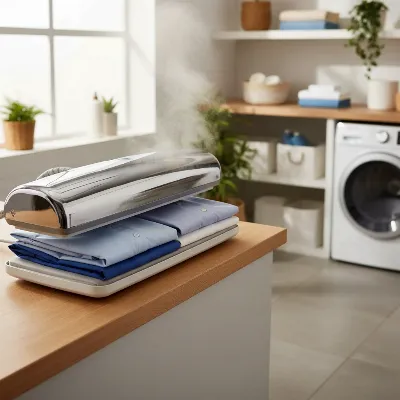 A steam ironing press with clothes, illustrating its power usage and efficiency benefits.
Steam Ironing Press vs. Traditional Iron: Energy Footprint
When comparing a steam ironing press to a traditional handheld steam iron, there are nuances in their energy footprint:
- Higher Hourly Consumption: Generally, steam presses heat larger surface areas and typically use more electricity per hour of operation compared to a standard steam iron. While a typical steam iron might consume between 1600W and 2400W, a heavy-duty press can go up to 2600W.
- Efficiency Through Speed: The key advantage of a steam press is its ability to cover more fabric in a single press, significantly reducing the overall time required for an ironing session, especially for large items like sheets or tablecloths. Studies suggest that some users can press large items three to four times faster with a press than with a traditional iron. This time-saving can potentially offset the higher hourly power consumption, leading to comparable or even lower total energy use for a specific volume of laundry.
Table: Comparative Wattage of Ironing Appliances
Understanding the typical wattage ranges across different ironing appliances can provide valuable context:
| Appliance Type | Typical Wattage Range | Notes |
|---|---|---|
| Dry Iron | 750W – 1200W | Heats only the soleplate; no steam function. |
| Standard Steam Iron | 1600W – 2200W | Heats soleplate and generates steam; handheld. |
| Home Steam Ironing Press | 1350W – 1600W | Larger pressing surface; combines heat, steam, and pressure. |
| Heavy-Duty/Commercial Steam Press | 1900W – 2600W+ | Larger surface, faster heat-up, designed for intensive use. |
7 Important Considerations for Energy-Efficient Ironing Press Use
To make the most of your steam ironing press while keeping electricity consumption in check, consider these important factors:
- Wattage and Efficiency: When purchasing, look for models that balance sufficient wattage for effective wrinkle removal with energy-saving features. A higher wattage can mean faster heating, which might reduce overall session time if you iron in short bursts.
- Usage Habits: Ironing in large batches rather than small, frequent sessions can significantly reduce electricity use. The initial heating phase consumes the most energy, so minimizing warm-up cycles saves power.
- Steam Control: Use the steam function strategically. While essential for stubborn wrinkles, some fabrics might only require dry pressing. Excessive or unnecessary steam production will consume more electricity.
- Heat-Up Time: Presses with faster heat-up times can save energy, especially if you only need to iron a few items quickly. Waiting less time for the appliance to reach temperature means less wasted electricity.
- Maintenance: Regularly cleaning the soleplate and descaling the water tank ensures your press operates at peak efficiency. Mineral buildup can impede heating elements and steam production, forcing the appliance to work harder and consume more power.
- Auto Shut-Off Feature: Many modern steam presses include an automatic shut-off feature for safety, which also helps conserve energy by turning off the appliance if it’s left unused for a period.
- Fabric Preparation: Ensure clothes are adequately damp but not soaking wet before pressing. Ironing overly wet clothes requires the press to use more energy to dry them out, whereas completely dry but wrinkled clothes might benefit from a light misting to aid wrinkle removal.
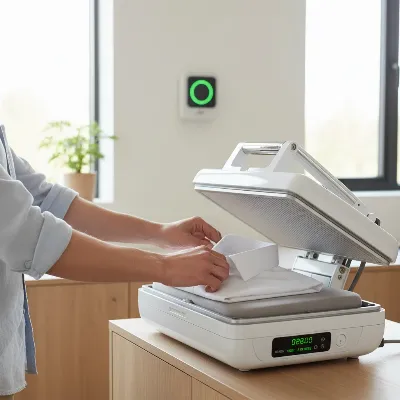 A person efficiently using a steam ironing press, demonstrating energy-saving habits and proper use.
Tips for Maximizing Efficiency and Longevity
Beyond the initial purchase considerations, how you use and maintain your steam ironing press plays a vital role in its energy efficiency and lifespan:
- Batch Ironing: Gather all items to be ironed and complete the task in one continuous session. This prevents the press from cooling down and reheating multiple times, which is energy-intensive.
- Correct Temperature Settings: Always use the appropriate temperature setting for the fabric type. Using too high a heat setting for delicate fabrics wastes energy and risks damaging clothes, while too low a setting for heavy fabrics requires more passes, also increasing energy consumption.
- Utilize Residual Heat: Turn off the press a few minutes before you’re completely done. The residual heat in the plates can often finish the last few items or touch-ups without drawing additional electricity.
- Use Distilled Water: Especially in hard water areas, using distilled or demineralized water in your steam press can prevent mineral buildup (limescale). Limescale reduces the efficiency of heating elements and steam nozzles, making the press work harder and consume more power over time.
- Regular Cleaning and Descaling: Follow the manufacturer’s instructions for regular cleaning of the pressing plates and periodic descaling of the water reservoir and steam system. A clean, well-maintained press operates more efficiently.
- Proper Storage: Store your ironing press in a clean, dry place. Ensure it is completely cool before putting it away.
“Investing in a steam ironing press can dramatically cut down on ironing time, but understanding its wattage and adopting smart usage habits are crucial for keeping your energy bills in check. It’s a balance between power and thoughtful application.” – Admin, ReviewGlorys.com
Conclusion
A steam ironing press is an invaluable tool for achieving perfectly pressed garments with remarkable speed and ease. While these appliances generally have a higher wattage compared to traditional handheld irons, ranging from approximately 1350W for home models to over 2600W for heavy-duty units, their overall electricity consumption is influenced by several factors. By understanding these variables—such as wattage, duration of use, and steam generation—and implementing energy-saving practices like batch ironing and proper maintenance, users can effectively manage their energy footprint. Opting for a model with appropriate wattage for your needs, along with features like auto shut-off, will not only ensure crisp clothing but also contribute to a more energy-efficient home. Consider your ironing volume and fabric types, and choose a press that offers the right balance of power and efficiency to make your laundry routine both effortless and economical.
Frequently Asked Questions
Are steam ironing presses more energy-efficient than traditional irons?
Steam ironing presses typically consume more electricity per hour due to their larger heating elements and steam generation capabilities. However, they can press clothes significantly faster than traditional irons, especially for large items. This efficiency in speed can mean less overall operational time for a given load, potentially leading to comparable or even lower total energy consumption for the entire task.
How can I calculate the electricity cost of my ironing press?
To estimate the electricity cost, you need your press’s wattage, the hours of usage, and your electricity rate. The formula is: (Wattage / 1000) × Usage Time (hours) × Electricity Rate (per kWh). that the press’s heating element cycles on and off, so actual usage might be less than continuous maximum wattage.
What wattage is ideal for a home steam ironing press?
For most home users, a steam ironing press with a wattage between 1350W and 1600W offers a good balance of fast heat-up times and effective performance without excessive energy consumption. Higher wattage models (1900W+) are better suited for very heavy loads or commercial applications where speed and continuous high performance are paramount.
How does steam generation affect electricity use?
Steam generation significantly increases electricity consumption because the press needs to heat water to produce steam. Appliances that rely heavily on steam, like steam ironing presses, will use more power than dry irons, which only heat the soleplate.
Can fabric type impact how much electricity an ironing press uses?
Yes, fabric type directly impacts electricity usage. Delicate fabrics like silk require lower temperatures, consuming less power, while heavier materials such as denim or thick cotton demand higher temperatures, which in turn necessitates more electricity for the press to maintain the required heat.
Does an auto shut-off feature save electricity?
Yes, an auto shut-off feature helps conserve energy by automatically turning off the appliance if it’s left unused for a period. This prevents the press from continuously drawing power to maintain heat when not actively in use, contributing to lower electricity bills and enhanced safety.
Frequently Asked Questions
Are steam ironing presses more energy-efficient than traditional irons?
Steam ironing presses typically consume more electricity per hour due to larger heating elements and steam generation. However, they press clothes significantly faster, especially large items, which can lead to comparable or even lower total energy consumption for an entire laundry load by reducing overall operational time.
How can I calculate the electricity cost of my ironing press?
To estimate the electricity cost, use the formula: (Wattage / 1000) u00d7 Usage Time (hours) u00d7 Electricity Rate (per kWh). Remember that the press's heating element cycles on and off, so actual usage might be less than continuous maximum wattage, providing a more accurate cost estimate.
What wattage is ideal for a home steam ironing press?
For most home users, a steam ironing press with a wattage between 1350W and 1600W offers a good balance of fast heat-up times and effective performance. Higher wattage models (1900W+) are generally better suited for very heavy loads or commercial applications where continuous high performance is essential.
How does steam generation affect electricity use?
Steam generation significantly increases electricity consumption because the press needs to heat water to produce steam. Appliances that rely heavily on steam, like steam ironing presses, will use more power than dry irons, which only heat the soleplate.
Can fabric type impact how much electricity an ironing press uses?
Yes, fabric type directly impacts electricity usage. Delicate fabrics like silk require lower temperatures, consuming less power, while heavier materials such as denim or thick cotton demand higher temperatures, which in turn necessitates more electricity for the press to maintain the required heat.
Does an auto shut-off feature save electricity?
Yes, an auto shut-off feature helps conserve energy by automatically turning off the appliance if it's left unused for a period. This prevents the press from continuously drawing power to maintain heat when not actively in use, contributing to lower electricity bills and enhanced safety.
Maximize Energy Efficiency with Your Steam Ironing Press
Learn how to reduce electricity consumption and extend the lifespan of your steam ironing press with these practical tips.
Gather all items to be ironed and complete the task in one continuous session. This prevents the press from cooling down and reheating multiple times, which is an energy-intensive process.
Always select the appropriate temperature setting for the fabric type you are pressing. Using too high a heat setting wastes energy and risks damaging clothes, while too low a setting requires more passes, increasing energy consumption.
Turn off the press a few minutes before you are completely done with your ironing. The residual heat retained in the pressing plates can often finish the last few items or touch-ups without drawing additional electricity.
Especially in hard water areas, use distilled or demineralized water in your steam press to prevent mineral buildup (limescale). Limescale reduces the efficiency of heating elements and steam nozzles, forcing the press to work harder and consume more power over time.
Follow the manufacturer's instructions for regular cleaning of the pressing plates and periodic descaling of the water reservoir and steam system. A clean, well-maintained press operates more efficiently, saving energy and extending its lifespan.

This was exactly what I needed to read before buying my first steam ironing press. I was comparing a few models, and understanding the difference between home models (1350W-1600W) and heavy-duty ones was crucial for my decision. I ended up getting a home unit, and it’s perfect for my needs without making me stress about my energy consumption. It’s a game-changer for my weekly laundry.
I was really worried about the electricity bill when I first got my steam ironing press, especially since I use it for all my family’s laundry. This breakdown of how wattage affects kWh was super helpful. I have a home model around 1500W, and knowing that the heating element cycling on and off impacts consumption makes me more mindful of how I use it. It’s definitely saved me a ton of time compared to a regular iron.
I appreciate the detailed explanation about how usage duration and steam generation affect electricity use. I’ve been trying to be more efficient with my pressing sessions, and understanding these factors helps. My press is a mid-range home model, and I’ve found that pre-sorting my clothes by fabric type really does make a difference in how long I need to keep the steam going, which I’m sure saves a bit on the bill.
My commercial unit is a beast, definitely on the higher end of that 1900W to 2600W range. While it gets the job done fast, I’ve noticed it really does chew through power, especially when I’m doing a lot of heavy fabrics that need constant steam. I wish there was a more energy-efficient option for commercial use that still offered the same pressing power. It’s a trade-off, I guess.