To maximize the longevity of your ironing press, consistent care is essential, involving daily cleaning of the press plate, regular descaling every 3-6 months for steam models, and proper storage in a cool, dry, dust-free environment. Neglecting these routines can lead to mineral buildup, reduced efficiency, and potential damage to both the appliance and your garments. Implementing a proactive maintenance schedule ensures your ironing press delivers professional-quality results and remains a reliable tool for years.
Understanding Your Ironing Press: Basics of Care
An ironing press, typically larger than a traditional iron, uses heat and pressure to smooth fabrics quickly and effectively. Many models incorporate steam functions, enhancing their wrinkle-removing capabilities. Its large pressing plate and powerful output make it ideal for handling bigger items like bed linens, curtains, and multiple garments at once. The core principle behind maintaining these machines is proactive care: regularly cleaning, inspecting, and addressing minor issues before they escalate into costly repairs or operational failures. Understanding the fundamental components and how they function will empower you to perform maintenance effectively and confidently.
The Cornerstone of Care: Regular Cleaning Protocols
Consistent cleaning is paramount to preserving the functionality and appearance of your ironing press. Different parts require specific cleaning approaches to ensure they remain in top condition.
Press Plate (Soleplate)
The press plate is the primary contact surface for your garments, making its cleanliness critical. Residue from fabrics, starches, or transfers can accumulate, leading to sticking, staining, and reduced efficiency.
- Daily Wipe-Down: After each use, allow the press plate to cool completely. Then, wipe it down with a clean, dry, soft cloth to remove any loose debris or light residue.
- Weekly/As-Needed Deep Cleaning: For more stubborn buildup, a mild cleaner or a specialized heat press cleaner can be used. Many experts recommend a homemade solution of equal parts white vinegar and water. Apply this mixture to a soft cloth and gently wipe the cool plate. For particularly sticky grime, some users find success by sprinkling coarse salt on aluminum foil and running a warm (not hot) iron over it, or by applying a paste of baking soda and water to the cool plate, letting it sit, then gently scrubbing with a non-metallic sponge before wiping clean. Avoid abrasive materials or harsh chemicals, as these can scratch or damage the plate’s surface.
- Burnt Marks: If scorch marks or burnt-on grime appear, a paste of baking soda and water can be effective. Apply the paste to the cool soleplate, let it sit for about 15 minutes, then gently scrub and wipe clean. For very stubborn spots, a small amount of non-gel toothpaste or even an acetaminophen tablet (rubbed with tweezers) can help break down residue on a cool soleplate, followed by a thorough wipe-down.
Exterior Cleaning
|
Our Picks for the Best Ironing Press in 2026
As an Amazon Associate I earn from qualifying purchases.
|
||
| Num | Product | Action |
|---|---|---|
| 1 | Steamfast SF-680 Digital Steam Press with Multiple Fabric Settings and Steam Burst Function,Stainless/Black |

|
| 2 | BLACK+DECKER Easy Steam Compact Iron for Clothes, Automatic Shutoff, Nonstick Plate, Light Weight, 1200 Watts |
|
| 3 | Steamfast SF-623 Mid-Size Steam Press with Multiple Fabric Settings and Steam Burst Function, Black, 20.47" L x 17.16" W x 6.73" H |
|
| 4 | HTVRONT Heat Press Mini Heat Press Machine, Small Heat Press Portable Iron Press Machine for T Shirts, Hats, Heating Transfer Projects (Mint) |
|
| 5 | Calogy Mini Heat Press, Heat Transfer Machine, Constant Temp Control, Insulated Safety Base, Fits for Crafts, T-Shirt, Hat, Cap, Pillows(White Pink) |
|
| 6 | Cricut EasyPress Mini Heat Press - for Pressing Small Objects Like Shoes, Stuffed Animals, Hats & More - 3 Heat Settings & Precision Tip - Ceramic-Coated Heat Plate - Compact & Lightweight - Zen Blue |
|
| 7 | BLACK+DECKER Press & Steam 2-in-1 Iron and Steamer, 180% More Steam & One Temperature Technology, Ceramic Soleplate, Safe on All Fabric Types |
|
| 8 | Cricut EasyPress Mini™ LT - Mint Green - Mini Heat Press for Pressing Shoes, Baby Clothes, T-Shirts, & More - Easy to Use with a Single Setting - Precision Tip - Compact & Portable Mini Iron |
|
| 9 | DRFLASH 2-in-1 Steamer & Iron for Clothes,15s Fast Heat-up 1200W Portable Handheld Garment Steamer,Travel Size with Large Ceramic Heat Panel,Quick Wrinkle Removal,110V-120V |
|
| 10 | The Quilted Bear Mini Steam Iron - Lightweight Mini Travel Iron for Effortless Quilting & Wrinkle-Free Clothes with Hard Shell Case - Travel Steamer Craft Press for Clothes & Crafts (Black) |
|
Dust, lint, and general grime can accumulate on the machine’s exterior, especially around hinges and control panels.
- Regular Wiping: Wipe the exterior with a damp, soft cloth to keep it clean and free of dust. Pay attention to the handle, which can accumulate oils from hands.
- Protect Electrical Components: When cleaning around the control panel or electrical components, ensure the cloth is only damp and not dripping wet to prevent moisture damage. Never spray cleaning solutions directly onto the iron.
Water Tank and Steam Vents
For steam ironing presses, the water tank and steam vents are crucial for steam generation. Mineral buildup can severely impede their function.
- Empty After Each Use: Always empty the water tank after each ironing session. This prevents standing water from causing mineral deposits or internal rust.
- Tank Cleaning: Rinse the water tank with clean water regularly to remove any remaining water or mineral deposits. A mild dish soap can be used for a more thorough cleaning. Allow the tank to air dry completely before refilling.
- Steam Vent Maintenance: Mineral deposits can clog the tiny steam holes, reducing steam output. Use cotton swabs dipped in a vinegar-water solution or distilled water to carefully clean each steam hole, removing any visible buildup.
Combating Mineral Buildup: Descaling Your Ironing Press
Mineral buildup, primarily from tap water, is a common enemy of steam ironing presses. These deposits can clog steam vents and internal components, diminishing steam output and potentially damaging the appliance.
- Use Distilled Water: The most effective way to prevent mineral scaling is to exclusively use distilled or demineralized water in your ironing press. Tap water, especially in hard water areas, contains minerals that will accumulate over time.
- Descaling Frequency: Descale your steam ironing press every 3-6 months, or more frequently if you live in a hard water area or use tap water despite recommendations.
- Descaling Process:
- Prepare Solution: Mix equal parts white vinegar and distilled water.
- Fill Tank: Pour the solution into the water tank, filling it about halfway.
- Steam Cycle: Plug in the iron, set it to the steam function, and let it heat up. Run the machine through a few ironing cycles over an old towel or thick cloth, pressing the steam burst button several times. You will likely see debris and residue emerge with the steam.
- Rinsing: Once the tank is empty, unplug the iron and let it cool. Refill the tank with clean distilled water and repeat the steaming process to flush out any remaining vinegar residue. Continue until the steam is clear of mineral particles.
> “Using distilled water is the single most important step for preserving your steam ironing press. It directly combats the insidious creep of mineral buildup, which is the primary cause of diminished steam performance and internal damage.” – Dr. Eleanor Vance, Appliance Engineering Specialist
Beyond Cleaning: Essential Checks and Adjustments
Maintenance extends beyond just cleaning; regular inspection and adjustment of mechanical and electrical components are vital for safe and efficient operation.
Pressure Settings
Consistent pressure is fundamental for achieving uniform heat transfers and perfectly pressed garments.
- Regular Testing: Periodically test the pressure settings to ensure they are accurate and consistent.
- Adjust as Needed: Adjust the pressure based on the thickness and type of fabric you are pressing. Always refer to your manufacturer’s guidelines for specific recommendations. An item that is too thick may require lighter pressure, while too many layers of fabric should be pressed unfolded in smaller batches.
Electrical Components
The electrical system is the lifeblood of your ironing press. Regular checks help prevent hazards and operational failures.
- Inspect Cords and Connections: Regularly inspect the power cord for any signs of fraying, cuts, or damage. Ensure plugs and connections are secure and free from wear. A damaged cord should be replaced immediately by a qualified technician.
- Heating Elements: Inspect heating elements for any signs of damage, discoloration, or burnout. Faulty elements can lead to inconsistent temperatures or complete failure. If you suspect an issue, consult your user manual or a professional.
- Safety First: Always ensure the ironing press is unplugged and cool before performing any electrical inspections or adjustments.
Moving Parts (for Automatic/Industrial Presses)
For larger or more advanced ironing presses, there may be internal moving parts that require specific attention.
- Lubrication: Regularly lubricate roller bearings and joints to reduce friction and wear. Use only the lubricant recommended by the manufacturer to ensure compatibility and avoid damage. Follow the manufacturer’s guidelines for lubrication frequency, which might be monthly or quarterly depending on usage.
- Belt Tension: If your machine uses belts, regularly check and adjust their tension. Loose belts can slip and reduce efficiency, while overly tight belts can cause excessive wear.
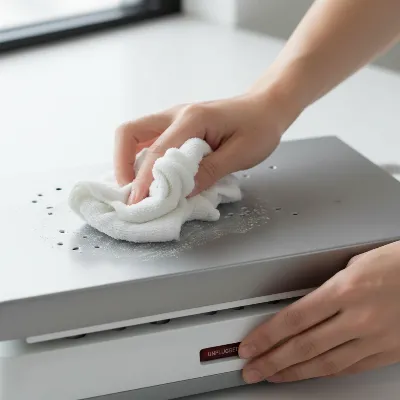 A person meticulously cleaning the soleplate of a cool ironing press with a soft, damp cloth, emphasizing careful maintenance.
Proper Storage and Environmental Control
How and where you store your ironing press can significantly impact its longevity and performance. Environmental factors also play a role in its overall health.
Storage Practices
- Cool, Dry, Dust-Free: When not in use, store your ironing press in a clean, dry, and dust-free environment. Excess humidity can lead to rust and corrosion, while dust can clog internal mechanisms.
- Use a Dust Cover: A simple dust cover or a clean cloth can protect the machine from dust and debris, especially during extended periods of inactivity.
- Cord Care: Avoid wrapping the power cord tightly around the machine, as this can cause internal wire damage or cracks over time. Store it loosely coiled or as recommended by the manufacturer.
- Upright Position: Store the machine upright, if applicable, to prevent any potential moisture from pooling in electrical components.
Environmental Control
- Temperature and Humidity: Keep the area where your ironing press is used and stored within the recommended temperature and humidity ranges specified by the manufacturer. Extreme conditions can affect performance and material integrity.
- Ventilation: Ensure proper ventilation in the laundry area. This prevents overheating during operation and helps avoid moisture buildup that could lead to corrosion.
Troubleshooting Common Ironing Press Issues
Even with diligent maintenance, issues can sometimes arise. Knowing how to troubleshoot common problems can help you quickly resolve them or identify when professional help is needed.
- Ironing Press Won’t Turn On:
- Check Power Supply: Ensure it’s properly plugged into a working outlet and the power switch is on.
- Fuse/Thermal Fuse: Some machines have fuses that may blow or thermal fuses that trip if the machine overheats. Check and replace fuses or allow the machine to cool down completely.
- Power Cord: Inspect the cord for damage.
- Water Leaks:
- Water Tank Overflow: Do not overfill the water tank.
- Damaged Seals/Loose Connections: Check seals around the tank and connections for wear or looseness. Replace worn seals or tighten fittings.
- Clogged Water Holes: Clean any clogged water holes.
- Leaves Streaks on Clothes:
- Dirty Soleplate: Clean the soleplate thoroughly.
- Hard Water: Use distilled water to prevent mineral buildup.
- Incorrect Temperature: Ensure the temperature setting is appropriate for the fabric.
- Iron Sticking to Garments:
- Burnt Soleplate/Residue: Clean the soleplate as described above.
- Fabric Softener/Starch Residue: Avoid applying starch or fabric softeners directly to garments before ironing, as they can transfer to the soleplate.
- No Steam or Heats Slowly:
- Limescale/Mineral Buildup: Perform descaling as outlined.
- Low Water Level: Fill the water tank.
- Incorrect Settings: Ensure temperature and steam controls are set correctly.
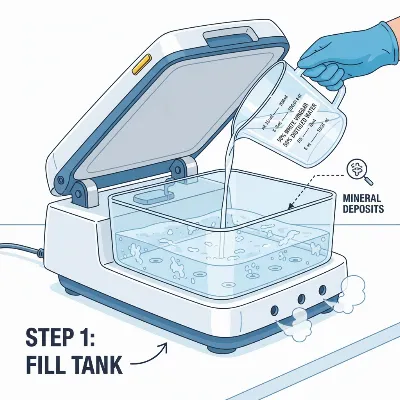 A visual representation of the descaling process for a steam ironing press using a vinegar and water solution in the water tank.
Expert Advice for Maximizing Lifespan
Beyond the routine tasks, adopting certain practices can significantly contribute to the longevity and optimal performance of your ironing press.
- Consult the Manufacturer’s Manual: Every ironing press model is unique. Your user manual is the definitive guide for specific cleaning frequencies, maintenance procedures, and troubleshooting steps tailored to your appliance. Always refer to it for model-specific recommendations.
- Replace Consumables: Over time, components like the ironing cloth cover, foam underlay (sponge pad), and water filter (if applicable) will wear out. Regularly inspect and replace these consumables according to the manufacturer’s guidelines to maintain pressing quality and efficiency. A worn cover or foam can affect evenness of pressure and heat distribution.
- Mind Your Additives: While starch and fabric softeners help with garment crispness, spraying them directly onto fabrics before pressing can lead to residue transfer onto the soleplate, eventually causing buildup and sticking. If using such products, ensure they are fully absorbed or consider pressing garments slightly damp to avoid soleplate contamination.
- Use Heat-Proof Gloves: Especially when you are new to using an ironing press, a pair of heat-proof gloves can provide invaluable protection against accidental burns from the hot plate while positioning or removing items.
- Environmental Awareness: For industrial or larger automatic ironing machines, controlling the surrounding humidity and temperature and ensuring proper ventilation are crucial for preventing rust, corrosion, and maintaining optimal machine performance.
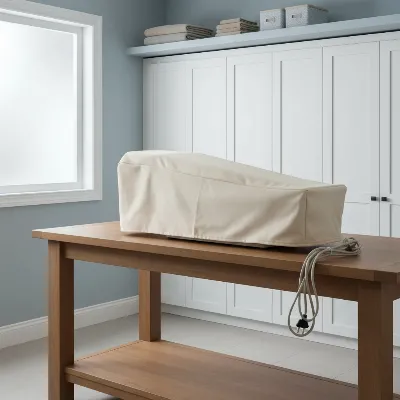 An ironing press neatly stored in a clean, dry area, covered with a protective dust cover, highlighting proper storage for longevity.
Conclusion
A well-maintained ironing press is an asset that delivers professional-quality results and simplifies your garment care routine. By implementing these essential maintenance tips—from daily cleaning of the press plate and regular descaling of steam components to meticulous electrical checks and proper storage—you actively contribute to the longevity and efficiency of your appliance. Adhering to manufacturer guidelines and being proactive in addressing minor issues will ensure your ironing press continues to perform flawlessly, saving you time and effort for years to come. Investing a little time in care today guarantees beautifully pressed clothes tomorrow.
What maintenance routine will you implement first to enhance the lifespan of your ironing press?
Frequently Asked Questions
How often should I clean my ironing press?
The cleaning frequency depends on the component and usage. The press plate should be wiped down daily after use. The exterior and water tank should be cleaned weekly, or after each ironing session. Descaling, especially for steam models, is recommended every 3-6 months, or more often in hard water areas, to prevent mineral buildup.
Can I use tap water in my steam ironing press?
While some irons might tolerate it, it is strongly recommended to use distilled or demineralized water in steam ironing presses. Tap water contains minerals that can lead to limescale buildup, clogging steam vents, reducing steam output, and ultimately damaging internal components, significantly shortening the appliance’s lifespan.
What causes streaks on clothes after ironing?
Streaks on clothes are often caused by a dirty soleplate transferring residue onto the fabric, mineral deposits from hard water, or using an incorrect temperature setting for the garment. Regular cleaning of the soleplate, descaling, and using distilled water can prevent these issues.
How do I clean a burnt soleplate?
For a burnt soleplate, ensure the press is cool and unplugged. You can use a paste made from baking soda and water, applying it to the burnt area and gently scrubbing with a non-metallic sponge. Alternatively, non-gel toothpaste or a specialized iron cleaner can be effective. Always wipe thoroughly with a damp cloth afterward.
What is descaling and why is it important?
Descaling is the process of removing mineral deposits (limescale) that accumulate inside steam ironing presses, particularly when tap water is used. These deposits can clog steam vents and internal mechanisms. Descaling is crucial to maintain optimal steam output, prevent damage, and extend the appliance’s overall lifespan.
How should I store my ironing press when not in use?
Store your ironing press in a cool, dry, and dust-free environment. Using a dust cover can protect it from debris. Ensure the power cord is not tightly coiled around the machine, and if applicable, store it upright to prevent any moisture accumulation in critical components.
Frequently Asked Questions
How often should I clean my ironing press?
The press plate of your ironing press should be wiped down daily after each use. The exterior and water tank require weekly cleaning, while descaling for steam models is recommended every 3-6 months, or more frequently in hard water areas, to prevent mineral buildup.
Can I use tap water in my steam ironing press?
It is strongly recommended to use distilled or demineralized water in steam ironing presses. Tap water contains minerals that lead to limescale buildup, which clogs steam vents, reduces steam output, and can damage internal components, significantly shortening the appliance's lifespan.
What causes streaks on clothes after ironing?
Streaks on clothes are typically caused by a dirty soleplate transferring residue, mineral deposits from hard water, or an incorrect temperature setting for the fabric. Regular cleaning of the soleplate, descaling, and using distilled water can effectively prevent these issues.
How do I clean a burnt soleplate on my ironing press?
To clean a burnt soleplate, ensure the press is cool and unplugged. Apply a paste of baking soda and water to the burnt area, gently scrubbing with a non-metallic sponge. Non-gel toothpaste or a specialized iron cleaner can also be effective, followed by a thorough wipe with a damp cloth.
What is descaling and why is it important for an ironing press?
Descaling is the process of removing mineral deposits, or limescale, that accumulate inside steam ironing presses, especially when tap water is used. This process is crucial to maintain optimal steam output, prevent internal damage, and extend the appliance's overall lifespan by clearing clogged vents and mechanisms.
What is the best way to store an ironing press when not in use?
Store your ironing press in a cool, dry, and dust-free environment, ideally using a dust cover to protect it from debris. Ensure the power cord is loosely coiled, not tightly wrapped, and if applicable, store the machine upright to prevent any moisture accumulation in critical electrical components.
How to Descale Your Steam Ironing Press
Descaling your steam ironing press every 3-6 months is crucial to remove mineral buildup, maintain steam output, and extend the appliance's lifespan.
Mix equal parts white vinegar and distilled water. This solution effectively breaks down mineral deposits without damaging internal components.
Pour the prepared vinegar and distilled water solution into the ironing press's water tank, filling it approximately halfway. Do not overfill the tank.
Plug in the iron, set it to the steam function, and allow it to heat up. Run the machine through a few ironing cycles over an old towel or thick cloth, pressing the steam burst button several times to flush out debris.
Once the tank is empty, unplug the iron and let it cool completely. Refill the tank with clean distilled water and repeat the steaming process to flush out any remaining vinegar residue until the steam is clear of mineral particles.

This is exactly what I needed! I use my press for large items like bed linens and curtains, and I’ve noticed some mineral buildup lately. The emphasis on a proactive maintenance schedule really hit home. I’m going to be much more diligent about following these steps to ensure my press continues to deliver professional-quality results.
I’ve had my ironing press for years and always wondered if I was doing enough to keep it in top shape. The tip about descaling every 3-6 months for steam models was a game-changer for me. I used to just do it when I remembered, but now I have a schedule. My press is working like new again, and the steam function is much more efficient.
Great advice! I’ve been using an ironing press for my small alteration business, and the daily cleaning of the press plate is something I’ve always done, but it’s good to have it reinforced. I also appreciate the reminder about proper storage. Keeping it in a dust-free environment really does make a difference in its performance and lifespan.
I found the tips helpful, especially for someone new to ironing presses. However, I wish there was more specific guidance on what products to use for cleaning the press plate. It just says ‘daily cleaning’ but doesn’t recommend any particular solutions or cloths, which would have been useful for a beginner like me. Still, good general advice.